Welcome to the fascinating world of small coins with big stories. While most pennies are worth exactly one cent, certain Lincoln cents — especially specific years, high-grade examples, and rare error varieties — can sell for surprising premiums. Let’s break down what actually matters so you know what’s real and what’s hype.
 2009 Lincoln Bicentennial Pennies (Denver “D” Mint)
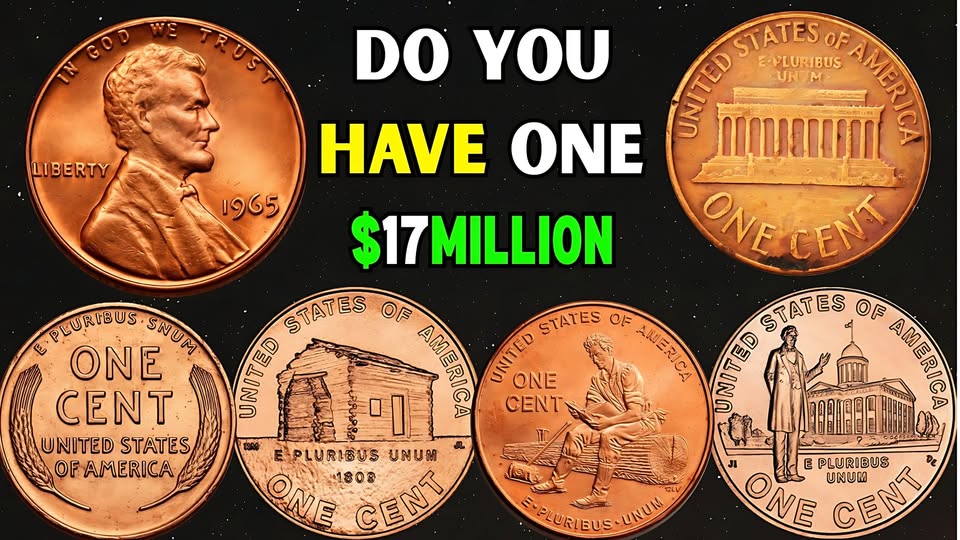
In 2009, the U.S. Mint honored the 200th anniversary of Abraham Lincoln’s birth with four special reverse designs. These coins still carry Lincoln’s portrait on the front, but the back tells the story of different stages of his life.
 2009-D Lincoln Cent Birth and Early Childhood
This design shows a log cabin representing Lincoln’s Kentucky childhood. Circulated examples are common and worth face value. Uncirculated coins with strong red luster typically sell for a small premium. High-grade certified examples (MS67 and above) are scarcer and can sell for significantly more, depending on condition and population.
 2009-D Lincoln Cent Formative Years
This reverse features young Lincoln reading while resting from rail-splitting. Again, most are common in circulation. However, sharply struck, full red, high-grade certified coins command stronger prices. Error varieties such as off-center strikes or strong doubled dies bring additional premiums.
 2009-D Lincoln Cent Professional Life
Lincoln stands before the Illinois State Capitol, symbolizing his legal and political career. As with the other 2009 designs, condition is everything. Regular circulated coins = 1 cent. Certified top-grade red examples or major error coins can sell for much more.
Important note: In 2009, special collector versions were also struck in 95% copper for mint sets. These are heavier than circulation strikes and are collectible, especially in pristine condition.
1965 Lincoln Cent — A Coin From a Historic Year
The 1965 Lincoln Cent was struck during the U.S. coin shortage. From 1965–1967, mint marks were temporarily removed to discourage hoarding. Over a billion were made, so circulated examples are extremely common.
However, high-grade red examples (MS66–MS67) are much scarcer than people expect. Strong doubled die varieties, off-center strikes, and major mint errors can bring notable premiums when authenticated.
 1975-D Lincoln Cent — Condition Matters
The 1975-D Lincoln Cent was struck in copper alloy before the 1982 metal transition. Billions were produced. Circulated coins are face value.
But here’s the key: high-grade red examples with clean surfaces become condition rarities at MS67. Major error coins (strong doubled dies, dramatic off-centers, clipped planchets) can sell for hundreds or more depending on severity and certification.
 1942 Wheat Penny — The Last Full Copper Year Before Steel
The 1942 Lincoln Wheat Penny was minted during World War II, just before the famous 1943 steel cents. Philadelphia, Denver (D), and San Francisco (S) produced large quantities.
Circulated brown examples are common and modest in value. However:
Full red high-grade examples are much scarcer.
The 1942-D repunched mint mark variety is collectible.
Strong doubled dies and major mint errors bring significant premiums.
Exceptional MS67 red coins can reach strong auction prices.
This year is historically important because it marks the final full bronze issue before the 1943 steel experiment.
 What Actually Makes a Penny Valuable?
No matter the year, these factors determine real market value:
• Grade (condition) — Higher mint state = higher value
• Color (Red vs Brown) — Full red coins bring premiums
• Strike quality — Sharp details matter
• Verified errors or varieties — Doubled dies, off-centers, repunched mint marks
• Certification — PCGS or NGC authentication boosts trust and price
Most circulated pennies are worth face value. The dramatic auction prices you sometimes hear about apply only to top-population, certified examples or major, verified errors.
 Final Takeaway
The majority of 2009, 1965, 1975-D, and 1942 pennies in circulation are common. But hidden among them are high-grade survivors and legitimate error coins that can sell for strong premiums.
So before you spend that penny:
Check the mint mark
Look for doubling
Examine the color
Never clean the coin
Sometimes history, condition, and rarity align — and when they do, even a one-cent coin can tell an extraordinary story.
Happy collecting.