It sounds unbelievable, but under the right conditions, an ordinary-looking wheat penny from the 1940s or 1950s can sell for staggering amounts at auction. Before you dismiss that old copper coin sitting in a drawer, it’s worth understanding what truly makes certain Lincoln cents valuable — and why most are not.
Let’s start with the 1946 Lincoln Wheat Penny. Minted just after World War II, this coin marked a return to normal bronze composition following the wartime steel cents of 1943. Millions were produced in Philadelphia (no mint mark), Denver (D), and San Francisco (S). Most entered heavy circulation, meaning worn examples today are extremely common and typically worth only a small premium over face value. However, in superb mint state condition — especially with full original red luster — values can rise dramatically. The key is preservation. A blazing red, sharply struck example graded at the very top of the scale is a completely different coin from the brown, circulated pieces most people find.
Moving forward, the 1948 Lincoln Wheat Penny is another coin often surrounded by big claims. Again, millions were minted across three facilities. While circulated examples are common, high-grade red specimens — particularly from San Francisco — are far scarcer in pristine condition. Auction records show that elite, top-population examples certified in exceptional grades can reach strong five-figure prices. But those are registry-level coins, not typical pocket change.
Now consider the 1957 Lincoln Wheat Penny, one of the last wheat cents before the design changed in 1959. Most 1957 pennies are very common. However, there is a famous doubled die variety known as the 1957 Doubled Die Obverse Lincoln Cent. On genuine examples, noticeable doubling appears in the lettering and date. These are significantly rarer than normal strikes and are highly sought after when authenticated and graded in high mint state with full red color.
Here’s the reality that collectors understand: value depends on three major factors — grade, color, and verified variety. Lincoln cents are categorized as Brown (BN), Red Brown (RB), or Red (RD). Full Red coins with strong eye appeal and minimal marks command the highest premiums. Even a small change in grade can mean thousands of dollars in difference at the highest levels.
It’s also important to separate hype from auction truth. While sensational numbers like $80,000+ have appeared in headlines, those prices apply only to extremely rare, top-graded examples with exceptional preservation or recognized error varieties. The average circulated 1946, 1948, or 1957 wheat penny is usually worth only a few cents to a few dollars.
That said, history adds undeniable appeal. These pennies passed through the hands of Americans rebuilding after war, expanding suburbs, fueling the 1950s boom, and shaping modern America. Holding one is like holding a small piece of that era.
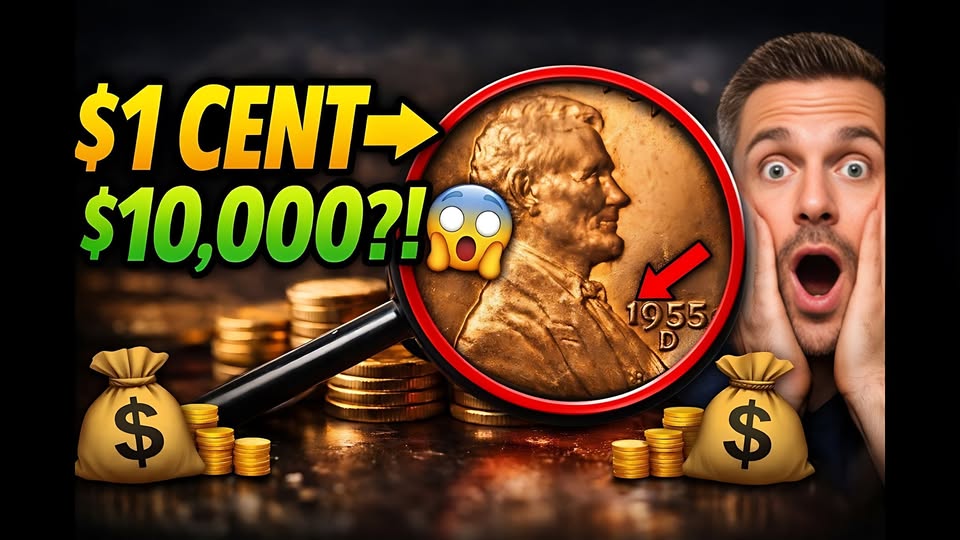
So before you overlook that old wheat penny, take a careful look. Check the mint mark. Examine the color. Study the lettering for doubling. And most importantly, never clean the coin.
Sometimes the smallest pieces of history can carry the biggest surprises — but only when rarity and condition truly align.