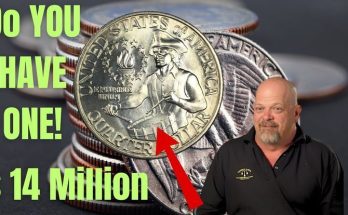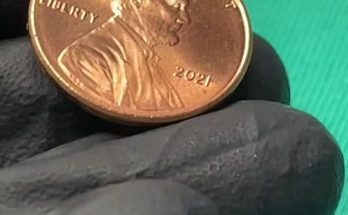
Rare coins are more than just pieces of metal; they are historical artifacts that carry stories of past civilizations, rulers, and economies. Collectors and investors often pay extraordinary sums for coins that are scarce, well-preserved, or historically significant. The value of a coin depends on several factors including rarity, condition, demand, and provenance. Coins minted in limited numbers or with unique errors can fetch millions at auctions, making them highly
Factors That Determine Coin Value
The worth of a coin is not arbitrary. Several key elements influence its market price:
- Rarity: Coins produced in small quantities or with minting errors are often more valuable.
- Condition: Coins graded higher on the numismatic scale, with minimal wear, command higher prices.
- Historical Significance: Coins tied to important events or rulers attract collectors.
- Demand: Popular series or coins from specific eras may see higher bidding competition.
- Metal Content: Gold, silver, and platinum coins often carry intrinsic value beyond collectability.
Famous Rare Coins That Sold for Millions
Throughout history, certain coins have achieved legendary status due to their rarity and auction prices. Some examples include:
| Coin Name | Year | Auction Price | Notable Feature |
|---|---|---|---|
| 1933 Double Eagle | 1933 | Over $18 million | Rare U.S. gold coin never circulated |
| Flowing Hair Silver Dollar | 1794 | $10 million | First silver dollar issued by the U.S. Mint |
| Brasher Doubloon | 1787 | $9.36 million | Privately minted gold coin by Ephraim Brasher |
| Edward III Gold Florin | 1343 | $6.8 million | Extremely rare medieval English coin |
These examples highlight how coins can transcend their original purpose and become multimillion-dollar collectibles.
How to Identify If Your Coins Are Valuable
Many people inherit old coins or stumble upon them in collections without realizing their potential worth. To determine if your coins may be valuable, consider:
- Checking mint marks and dates for rarity.
- Inspecting the coin’s condition under proper lighting.
- Researching historical context of the coin.
- Consulting grading scales such as the Sheldon Scale.
- Comparing with auction records for similar coins.
Coin Grading and Authentication
Professional grading is essential when selling rare coins. Grading services evaluate coins based on strike quality, luster, wear, and overall preservation. Authentication ensures the coin is genuine and not a counterfeit. Coins certified by reputable grading agencies often sell for higher prices because buyers trust their legitimacy.
Selling Rare Coins for Top Dollar
When it comes to selling rare coins, strategy matters. Here are some effective approaches:
- Auction Houses: Prestigious auctions attract wealthy collectors willing to pay premium prices.
- Private Collectors: Direct sales to collectors can yield strong returns.
- Coin Dealers: Established dealers provide quick transactions, though sometimes at lower margins.
- Online Marketplaces: Digital platforms expand reach but require careful handling to avoid fraud.
Tips to Maximize Your Coin Sale
To ensure you get the best possible price for your rare coins, follow these steps:
- Get your coins professionally graded and authenticated.
- Research recent auction prices for similar coins.
- Present coins with detailed descriptions and high-quality images.
- Avoid cleaning coins, as improper cleaning can reduce value.
- Consider timing the sale when market demand is high.
Investment Potential of Rare Coins
Rare coins are not only collectibles but also investment assets. Their value often appreciates over time, especially for coins with historical importance or limited supply. Unlike stocks or bonds, coins are tangible assets that can be passed down generations. Investors diversify portfolios with rare coins to hedge against inflation and economic uncertainty.
Common Mistakes to Avoid When Selling Coins
Many sellers unknowingly reduce their profits by making avoidable mistakes. Some of the most common include:
- Selling without proper grading.
- Accepting the first offer without market research.
- Cleaning coins to improve appearance.
- Ignoring provenance or historical documentation.
- Failing to market coins effectively to the right audience.
Preserving Rare Coins for Future Value
Proper storage and handling are crucial to maintaining coin value. Coins should be kept in protective holders, away from humidity and direct sunlight. Handling coins with gloves prevents oils from damaging surfaces. Long-term preservation ensures coins remain in pristine condition, increasing their potential resale value.
Rare Coin Collecting as a Passion
Beyond financial gain, coin collecting is a rewarding hobby. Enthusiasts enjoy discovering unique pieces, learning about history, and building collections that reflect personal interests. Rare coins connect collectors to the past, offering a tangible link to ancient civilizations and historic events.
Conclusion: Unlocking the Hidden Wealth in Your Coins
Old coins can be worth millions, and selling them wisely can unlock significant financial rewards. By understanding the factors that determine value, seeking professional grading, and choosing the right selling strategy, you can maximize returns. Whether you are an investor, collector, or someone who inherited coins, recognizing their potential can transform forgotten treasures into life-changing assets.