Lincoln Wheat Penny History and Value: The Lincoln Wheat Penny stands as one of the most iconic and widely collected coins in U.S. history. Introduced in 1909, this small copper cent marked a major turning point in American coinage and continues to captivate collectors more than a century later. With its rich historical background, rare varieties, and surprising auction values, the Wheat Penny remains a true treasure in the world of numismatics.
Origins of the Lincoln Wheat Penny
The Lincoln Wheat Penny was launched in 1909 to honor the 100th anniversary of President Abraham Lincoln’s birth. This release was groundbreaking, as it became the first circulating U.S. coin to feature the portrait of a real historical figure instead of a symbolic image. The decision reflected the nation’s deep respect for Lincoln’s legacy and leadership.
Renowned sculptor Victor David Brenner was selected to design the coin. The obverse features a dignified profile of Lincoln, while the reverse showcases two wheat ears framing the words “ONE CENT” and “UNITED STATES OF AMERICA.” The wheat design symbolized agricultural strength, prosperity, and national growth, resonating strongly with the American public.
Immediate Popularity and Public Response
Upon its release, the Lincoln Wheat Penny generated widespread excitement. Banks across the country saw long lines of citizens eager to obtain the new cent. Newspapers of the time reported unprecedented public interest, with many people keeping the coins as souvenirs rather than spending them.
Lincoln’s image struck an emotional chord with Americans, and the coin was widely praised for its artistic simplicity and patriotic symbolism. Its acceptance was swift, and the Wheat Penny quickly became a familiar and respected part of everyday commerce.
The VDB Initials Controversy
One of the most intriguing chapters in Wheat Penny history involves the initials “VDB,” representing designer Victor David Brenner. These initials were prominently placed at the bottom of the reverse on early 1909 coins. Critics argued that the initials were too noticeable and distracted from the overall design.
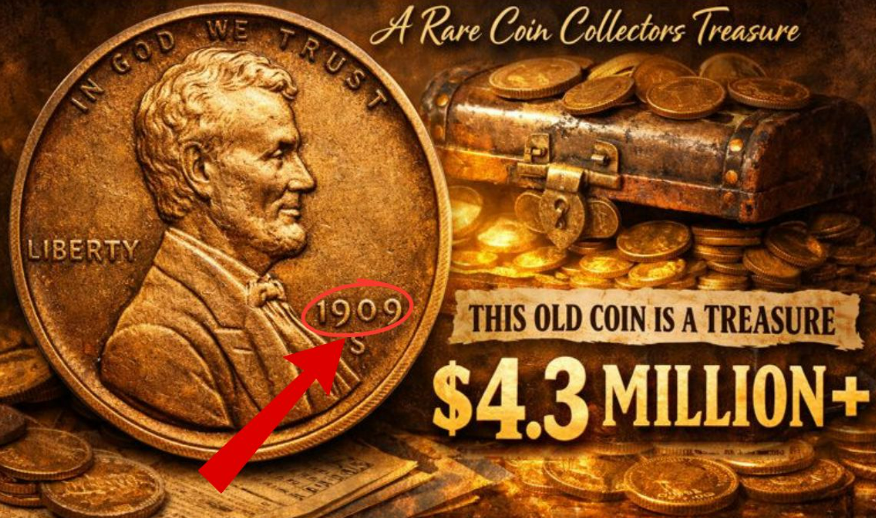
Responding to public debate, the U.S. Mint removed the initials later in 1909. This decision resulted in multiple varieties, most notably the legendary 1909-S VDB struck at the San Francisco Mint. Due to its limited mintage and historical significance, it remains one of the most valuable and sought-after pennies ever produced.
Design Adjustments and Metal Changes
While the overall design of the Wheat Penny remained consistent from 1909 to 1958, subtle refinements were made over time to improve striking quality. However, the most dramatic change occurred during World War II.
In 1943, copper was diverted for military use, prompting the Mint to produce pennies made from zinc-coated steel. These steel cents are instantly recognizable by their silver-gray appearance and magnetic properties. Although they were only minted for one year, they have become some of the most famous coins in American history.
Key Dates and Rare Wheat Pennies
Certain Lincoln Wheat Pennies are considered essential “key dates” for collectors due to low mintages or unique characteristics. Among the most valuable are the 1909-S VDB, 1914-D, 1922 No D, and 1931-S. Each of these coins carries a distinct backstory tied to mint production challenges or limited releases.
High-grade examples of these pennies can command significant prices, sometimes reaching thousands of dollars depending on condition and market demand. Completing a full Wheat Penny set is considered a major achievement in coin collecting.
Transition to the Lincoln Memorial Design
The Wheat Penny era came to an end in 1958. In 1959, the U.S. Mint introduced a new reverse featuring the Lincoln Memorial to commemorate the 150th anniversary of Lincoln’s birth. While the updated design was widely accepted, many collectors felt nostalgic about the classic wheat ears.
The change marked the close of a historic chapter in American coinage, but it also elevated the Wheat Penny’s status as a collectible symbol of an earlier era.
Why Collectors Love Wheat Pennies
The Lincoln Wheat Penny appeals to collectors of all experience levels. Beginners enjoy searching through old coin jars and rolls, while seasoned collectors pursue rare mint marks and high-grade specimens. The series spans nearly 50 years, offering a rich variety of dates and historical contexts.
Its affordability at entry level and high-value potential at the upper end make it one of the most accessible yet rewarding coin series in the hobby.
How Value Is Determined
The value of a Wheat Penny depends on several key factors, including rarity, mint mark, condition, and collector demand. While many common-date coins are worth only a few cents above face value, rare or error coins can be worth substantial sums.
Professional grading services play a critical role by assigning standardized condition grades, which help establish fair market value. Auction records and market trends further influence pricing.
Record-Breaking Auction Sales
Some Lincoln Wheat Pennies have achieved astonishing prices at auction. The 1909-S VDB in mint condition has sold for tens of thousands of dollars. Even more remarkable is the 1943 copper penny—an accidental strike on copper planchets—which has fetched hundreds of thousands of dollars at major auctions.
These high-profile sales fuel public interest and reinforce the idea that valuable treasures can still be found in small, everyday coins.
Cultural and Historical Importance
Beyond financial value, the Lincoln Wheat Penny holds deep cultural significance. It reflects America’s respect for leadership, its agricultural roots, and its resilience through events such as the Great Depression and World War II.
For many collectors, owning a Wheat Penny is about preserving a tangible piece of American history rather than just monetary gain.
Advice for New Collectors
New collectors should begin by familiarizing themselves with key dates and mint marks. Using magnification tools, proper coin albums, and reference guides can make the learning process easier. Patience is essential, as building a meaningful collection takes time.
Avoid cleaning coins, as this can significantly reduce their value. Proper storage and careful handling are crucial for long-term preservation.
Protecting and Preserving Your Coins
To maintain condition and value, Wheat Pennies should be stored in a dry, temperature-controlled environment. Protective holders, flips, or albums prevent damage from moisture and handling. Preservation ensures that these coins can be enjoyed and passed down through generations.
The Excitement of Coin Hunting
One of the greatest joys of collecting Wheat Pennies is the thrill of discovery. Searching through inherited collections, old jars, or bank rolls keeps the hobby exciting. Every find, rare or common, adds to the experience and deepens appreciation for the past.
Why the Wheat Penny Remains a Treasure
The Lincoln Wheat Penny combines historical importance, artistic beauty, and collectible value in a way few coins can match. Its enduring popularity proves its timeless appeal among collectors and history enthusiasts alike.
Final Thoughts
The Lincoln Wheat Penny is far more than spare change—it is a rare coin collectors’ treasure. From its historic debut in 1909 to its valuable varieties and legendary auction sales, the Wheat Penny continues to fascinate and inspire. Whether you are just starting or already immersed in numismatics, this classic coin remains a powerful reminder that history can be held in the palm of your hand.