Complete Wheat Penny Value Guide: Coin collecting has long been a hobby that blends history, artistry, and the thrill of discovery. Among the many coins that have captured the imagination of collectors, the Lincoln Wheat Penny holds a special place. Minted from 1909 to 1958, this coin is not only a piece of American currency but also a symbol of national pride and craftsmanship. Today, Wheat Pennies continue to fascinate collectors, with some rare varieties commanding extraordinary prices. This guide explores the history, values, and tips for collectors who want to understand and appreciate these coins.
The Birth of the Wheat Penny
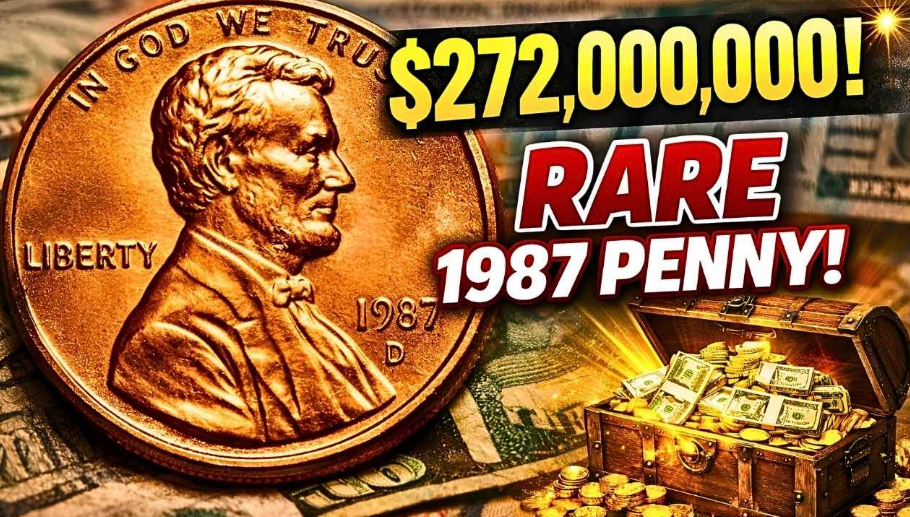
The Lincoln Wheat Penny was introduced in 1909 to commemorate the centennial of Abraham Lincoln’s birth. Designed by Victor David Brenner, it was the first United States coin to feature a real person. The obverse displays Lincoln’s profile, while the reverse shows two wheat stalks framing the words “One Cent.” This design reflected both the agricultural heritage of the nation and its admiration for Lincoln. The coin quickly became popular and remained in circulation for nearly fifty years until it was replaced by the Lincoln Memorial reverse in 1959.
Key Historical Milestones
Several milestones mark the history of the Wheat Penny. In 1909, the first year of issue, coins were struck at both the Philadelphia and San Francisco mints. The 1909 S VDB penny, with Brenner’s initials prominently displayed, became one of the most famous rarities because only a limited number were produced before the initials were removed. During World War II, in 1943, pennies were struck in steel coated with zinc instead of copper to conserve resources. These steel pennies are distinctive and widely collected. Mistakes during production, such as the rare 1943 copper penny, have become legendary among collectors.
Understanding Wheat Penny Values
The value of a Wheat Penny depends on several factors including rarity, condition, and demand. Common dates in circulated condition may be worth only a few cents above face value. However, rare varieties or coins in pristine condition can be worth hundreds or even thousands of dollars. For example, the 1909 S VDB penny can fetch thousands depending on its grade. The 1943 copper penny has sold for hundreds of thousands at auction. Collectors must learn to distinguish between ordinary coins and those with unique characteristics that make them valuable.
Factors That Influence Prices
Several factors influence the price of Wheat Pennies. Rarity is the most obvious. Coins produced in small numbers or with unusual errors are more valuable. Condition is equally important. Coins graded as uncirculated or in mint state are worth far more than those showing heavy wear. Mint marks also play a role. Coins struck at the San Francisco or Denver mints can be rarer than those from Philadelphia. Historical significance adds another layer of value. Coins tied to important events or changes in design often attract greater interest from collectors.
Famous Rare Varieties
Some Wheat Pennies have achieved legendary status among collectors. The 1909 S VDB penny is one of the most famous because of its limited mintage and the controversy over Brenner’s initials. The 1914 D penny is another rarity, with only a small number surviving in high grades. The 1922 no D penny, struck in Denver without a mint mark, is highly sought after. The 1943 copper penny, mistakenly struck in copper instead of steel, is perhaps the most valuable of all, with only a handful known to exist. These coins represent the pinnacle of Wheat Penny collecting.
Tips for Identifying Valuable Wheat Pennies
Collectors should pay close attention to details when examining Wheat Pennies. Look for mint marks, which indicate where the coin was struck. Study the date carefully, as certain years are more valuable. Examine the coin for unusual features such as double dies, off-center strikes, or missing mint marks. Condition is critical, so check for wear, scratches, and luster. Using a magnifying glass can help spot subtle details. Comparing coins to reference guides or consulting experts can provide additional insight. Patience and practice are essential for developing the skills needed to identify valuable coins.
The Role of Professional Grading
Professional grading services play a vital role in the coin market. Organizations such as the Professional Coin Grading Service and the Numismatic Guaranty Corporation provide standardized assessments of a coin’s condition. Grading considers factors like strike quality, luster, and surface preservation. A coin graded at the highest levels can command extraordinary prices. Professional grading also ensures authenticity, protecting collectors from counterfeits. For serious collectors, submitting coins for grading is often a worthwhile investment that adds credibility and value to their collection.
Building a Wheat Penny Collection
Building a Wheat Penny collection can be a rewarding journey. Some collectors aim to assemble a complete set of all dates and mint marks from 1909 to 1958. Others focus on rare varieties or coins in high grades. Beginners may start by collecting common dates found in circulation or purchased inexpensively. Over time, they can expand their collection to include rarities. Collecting Wheat Pennies offers opportunities to learn about history, appreciate artistry, and enjoy the thrill of discovery. It is a hobby that can grow with the collector’s interests and resources.
Collector Tips for Success
Successful collectors follow certain practices. First, they educate themselves by studying reference books, attending coin shows, and engaging with fellow enthusiasts. Second, they handle coins carefully to avoid damage, using gloves or holding coins by the edges. Third, they store coins properly in albums, holders, or cases to protect them from environmental damage. Fourth, they buy from reputable dealers to ensure authenticity. Finally, they remain patient and disciplined, recognizing that building a valuable collection takes time. These tips help collectors maximize both enjoyment and value in their pursuit.
The Broader Significance of Coin Collecting
Coin collecting is more than just a search for valuable pieces. It is a way of connecting with history and culture. Each coin tells a story about the time and place in which it was made. The Lincoln Wheat Penny reflects America’s admiration for Abraham Lincoln and its agricultural heritage. Collecting coins allows people to hold tangible pieces of history in their hands. It fosters appreciation for artistry, craftsmanship, and the evolution of currency. The discovery of rare coins reminds us that history is not confined to museums but can be found in everyday objects.
Final Thoughts on Wheat Penny Collecting
The Lincoln Wheat Penny remains one of the most beloved coins among collectors. Its rich history, iconic design, and potential for extraordinary value make it a fascinating subject of study and pursuit. Whether collecting common dates or searching for rare varieties, enthusiasts find joy in the process of discovery. The Wheat Penny teaches us that even the smallest objects can carry immense historical and cultural significance. For collectors, it is a reminder that treasures can be found in the most unexpected places, waiting to be appreciated and preserved.