$1,000,000+ 1943 Copper Penny
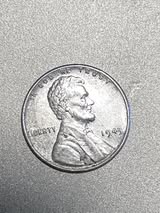
A recently reported 1943 Lincoln cent is generating excitement among coin collectors after preliminary observations suggested it may have several characteristics associated with one of the rarest U.S. coins ever produced.
At this stage, the coin has not yet been professionally authenticated, so its identity and value remain unconfirmed.
However, the reported details have attracted significant attention.
 Reported Characteristics
According to the preliminary information, the coin reportedly:
 Bears the 1943 date
Weighs approximately 3.1 grams
Does not stick to a magnet
May display noticeable doubled design elements
If these characteristics are confirmed by professional grading services, the coin could represent a remarkable numismatic discovery.
 Why the 1943 Copper Penny Is Famous
During World War II, copper was needed for military production.
As a result, most 1943 Lincoln cents were struck on zinc-coated steel planchets.
Typical 1943 steel cents:
 Silver-gray appearance
 Magnetic
 About 2.7 grams
A very small number of bronze (copper-alloy) planchets from 1942 are believed to have remained in production, creating the famous 1943 Bronze Lincoln Cent.
Authenticated examples are among the most valuable U.S. coins ever discovered.
Step 1: The Weight Test
One of the first things collectors check is the coin’s weight.
Typical weights include:
Bronze Lincoln cent: about 3.11 grams
Steel Lincoln cent: about 2.70 grams
A reported weight of approximately 3.1 grams is consistent with a bronze composition—but weight alone does not confirm authenticity.
Step 2: The Magnet Test
This is another quick screening method.
Steel Penny
Sticks to a magnet
Bronze Penny
 Does not stick to a magnet
If a 1943 cent is non-magnetic, it deserves closer examination, although additional testing is still required.
 Step 3: Possible Doubled-Die Features
Some collectors have suggested the reported coin may show signs of a doubled die.
Areas to inspect include:
 The date
LIBERTY
IN GOD WE TRUST
Lincoln’s portrait
Only a professional examination can determine whether the doubling is a genuine doubled die or another type of striking effect.
 Could It Really Be Worth Over $1 Million?
Authenticated 1943 Bronze Lincoln Cents have achieved remarkable auction results over the years.
However, every coin is unique, and value depends on several important factors:
Authenticity
Grade
Mint mark
Surface preservation
Collector demand at the time of sale
If this reported coin proves to be a genuine bronze 1943 cent—and if any additional rare characteristics are confirmed—it could attract significant interest from collectors.
 What Happens Next?
The next step would typically involve professional evaluation by a respected grading service such as:
PCGS
NGC
Experts may examine:
 Metal composition
 Die characteristics
Weight and measurements
Authenticity
 Overall condition
Only after certification can a reliable market value be estimated.
 What Should You Do If You Find a 1943 Penny?
Follow these simple steps:
Step 1
Check whether the coin sticks to a magnet.
Step 2
Weigh it on an accurate digital scale.
Step 3
Handle it only by the edges.
Step 4
Place it in a protective holder.
Step 5
Do not clean or polish it.
Step 6
Have it professionally authenticated before attempting to sell it.
 Important Reminder
Many altered and counterfeit 1943 pennies exist.
Some are made by changing the date on a 1948 cent, while others are plated or modified in different ways.
Professional authentication is the only reliable way to determine whether a coin is genuine.
 Frequently Asked Questions
Are all 1943 pennies valuable?
No. Most 1943 pennies are steel cents and are relatively common.
Why is a bronze 1943 penny so rare?
Only a very small number were accidentally struck on leftover bronze planchets instead of steel.
Does a non-magnetic 1943 penny automatically mean it’s valuable?
No. It is an encouraging sign, but further testing and authentication are necessary.
Should I clean a rare penny?
Never. Cleaning almost always reduces collector value.
Where should I have a rare penny authenticated?
Trusted grading services include PCGS and NGC.
 Final Thoughts
The reported discovery of a possible 1943 bronze Lincoln cent has generated understandable excitement among collectors.
While the early observations are intriguing, only professional authentication can determine whether the coin is genuine and establish its true value.
If you own a 1943 penny, take a few minutes to check its weight and magnetism—you might have a coin worth investigating further.