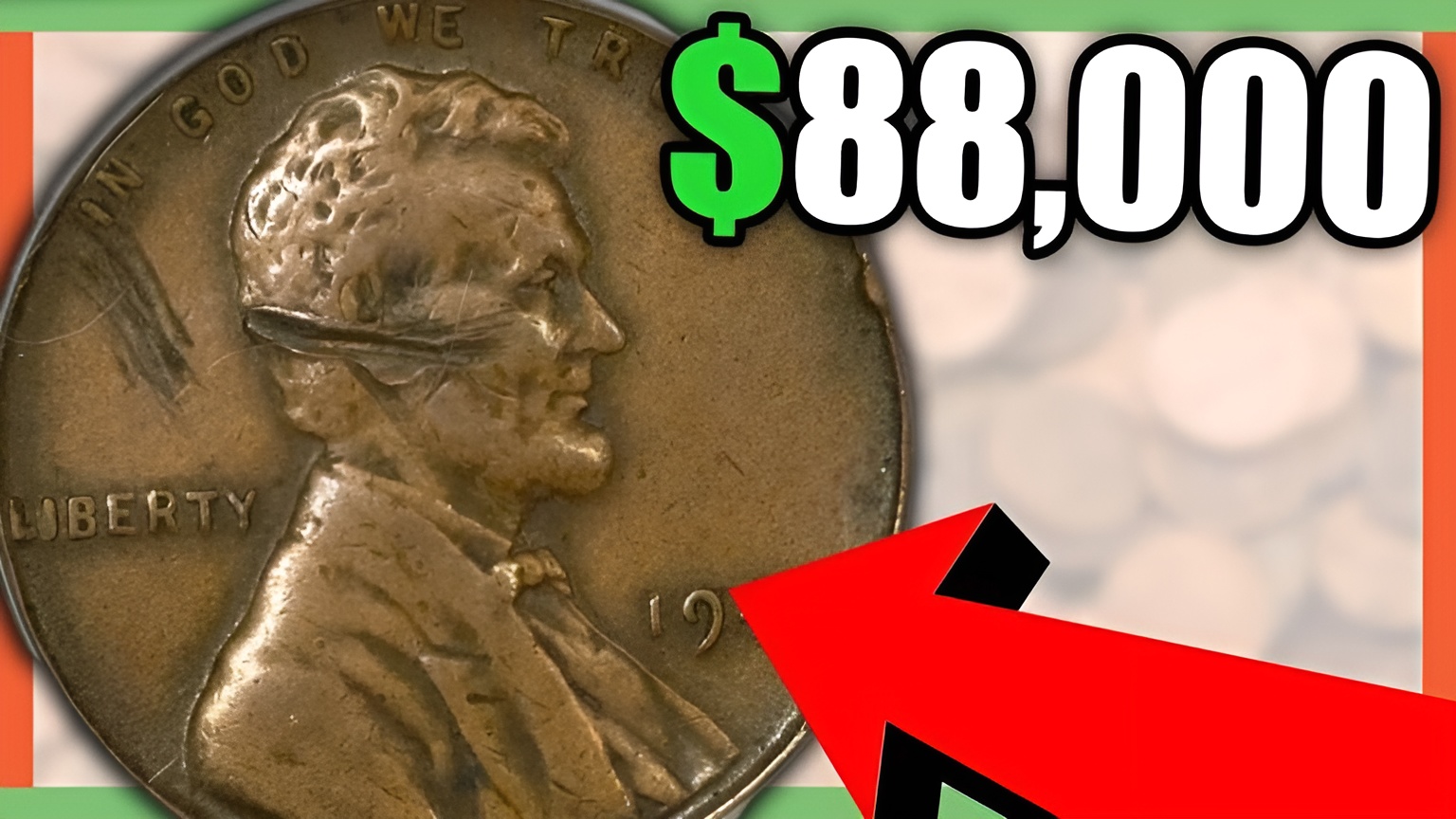
Lincoln pennies have been a cornerstone of American coinage since 1909, when they were first introduced to honor President Abraham Lincoln’s centennial birthday. Over the decades, certain issues and minting errors have transformed ordinary one-cent coins into treasures worth thousands of dollars. Collectors worldwide seek these rare pieces not only for their monetary value but also for their historical significance. Understanding which Lincoln pennies are valuable can help both seasoned numismatists and beginners identify coins that may be hiding in plain sight.
Why Lincoln Pennies Are Collectible
The Lincoln cent is the longest-running coin design in U.S. history. Its longevity means countless variations, mint marks, and errors have occurred. Collectors prize these coins for several reasons:
- Historical importance tied to Abraham Lincoln.
- Minting errors that create unique variations.
- Limited production runs that increase scarcity.
- Rising demand among coin collectors and investors.
1909-S VDB Lincoln Cent
The 1909-S VDB penny is one of the most famous rare coins. It was minted in San Francisco with the initials “VDB” of designer Victor David Brenner on the reverse. Only 484,000 were produced before the initials were removed due to controversy. Today, this coin is considered a must-have for serious collectors.
1914-D Lincoln Cent
The 1914-D penny from the Denver Mint is another rarity. With a mintage of just over one million, it is scarce compared to other years. High-grade examples can fetch thousands of dollars, especially those with minimal wear.
1922 No D Lincoln Cent
In 1922, pennies were struck only at the Denver Mint. A striking error resulted in coins without the “D” mint mark. These “No D” cents are highly sought after, particularly in strong strike conditions.
1931-S Lincoln Cent
The 1931-S penny had a low mintage of fewer than one million coins. While not as rare as the 1909-S VDB, it remains valuable due to its scarcity and historical context during the Great Depression.
1943 Copper Lincoln Cent
During World War II, pennies were made of steel coated with zinc to conserve copper for the war effort. A few copper planchets were mistakenly used, creating the legendary 1943 copper penny. These coins are among the most valuable Lincoln cents, with some selling for hundreds of thousands of dollars.
1955 Double Die Lincoln Cent
The 1955 double die penny is famous for its dramatic doubling of the date and lettering. This error makes the coin instantly recognizable. Collectors pay significant premiums for well-preserved examples.
1969-S Double Die Lincoln Cent
Another double die rarity, the 1969-S penny shows strong doubling on the obverse. Initially mistaken for counterfeits, these coins are now authenticated and considered highly valuable.
1972 Double Die Lincoln Cent
The 1972 double die penny is less rare than the 1955 or 1969-S versions but still commands attention. The doubling is visible on the date and inscriptions, making it a popular collectible.
1983 Double Die Reverse Lincoln Cent
This coin features doubling on the reverse lettering, particularly “UNITED STATES OF AMERICA.” It is a modern rarity that proves valuable coins can still be found in circulation.
1992 Close AM Lincoln Cent
In 1992, a small number of pennies were struck with the “AM” in “AMERICA” spaced closely together, a design intended for proof coins. These “Close AM” cents are rare and valuable, especially in high grades.
Table of Rare Lincoln Pennies and Approximate Values
| Coin | Key Feature | Approximate Value Range* |
|---|---|---|
| 1909-S VDB | Designer initials VDB | $700 – $15,000 |
| 1914-D | Low mintage Denver issue | $200 – $10,000 |
| 1922 No D | Missing mint mark | $500 – $20,000 |
| 1931-S | Depression-era scarcity | $75 – $5,000 |
| 1943 Copper | Wrong planchet | $100,000+ |
| 1955 Double Die | Doubling on date | $1,000 – $25,000 |
| 1969-S Double Die | Strong doubling obverse | $10,000 – $75,000 |
| 1972 Double Die | Doubling on date | $100 – $1,500 |
| 1983 Double Die Reverse | Doubling on reverse | $75 – $1,500 |
| 1992 Close AM | Proof design error | $500 – $5,000 |
*Values vary depending on condition, rarity, and market demand.
Tips for Identifying Rare Pennies
Collectors should carefully examine coins for mint marks, doubling, and unusual features. A magnifying glass or coin loupe is essential. Key steps include:
- Checking the date and mint mark.
- Looking for doubling in letters and numbers.
- Comparing spacing in design elements.
- Consulting professional grading services for authentication.
How Condition Impacts Value
The grade of a coin significantly affects its worth. Coins are graded on a scale from Poor (P-1) to Mint State (MS-70). Even common rare pennies can multiply in value if they are in pristine condition. For example, a 1914-D penny in Good condition may be worth a few hundred dollars, while one in Mint State can reach tens of thousands.
Collecting Strategies for Beginners
Starting a Lincoln penny collection can be rewarding. Beginners should:
- Focus on affordable rarities like the 1931-S or 1972 double die.
- Learn to spot errors and variations.
- Store coins properly to prevent damage.
- Gradually expand into high-value rarities as knowledge grows.
Investment Potential of Rare Pennies
Rare Lincoln pennies are not just collectibles; they can be strong investments. Their value tends to appreciate over time, especially for coins with historical significance or extreme rarity. Investors often diversify by holding both common rare pennies and legendary pieces like the 1943 copper cent.
Conclusion
Lincoln pennies represent more than small pieces of currency; they are windows into American history and treasures for collectors. From the iconic 1909-S VDB to the elusive 1992 Close AM, these coins prove that even a humble cent can be worth a fortune. Whether you are a seasoned numismatist or a curious beginner, understanding these rare Lincoln pennies can help you uncover hidden value in your collection and appreciate the fascinating world of coin collecting.