Long before the standardized notes of the Federal Reserve became the backbone of American commerce, Oregon towns and cities issued their own forms of paper money. These local banknotes were more than just instruments of trade; they were reflections of community pride, economic ambition, and the challenges of frontier life. For collectors today, these notes offer a tangible connection to the state’s past, carrying stories of resilience and ingenuity that shaped Oregon’s financial identity.
The Era of Local Banking in Oregon
During the 19th century, banking in Oregon was a decentralized affair. Individual banks, often founded by local entrepreneurs, issued their own notes to facilitate trade. These notes circulated within towns and regions, backed by the promise of redemption in gold or silver. However, the reliability of these notes varied greatly, depending on the stability of the issuing institution. Collectors today value them not only for their rarity but also for the insight they provide into the economic landscape of Oregon’s early communities.
Design and Symbolism of Oregon Banknotes
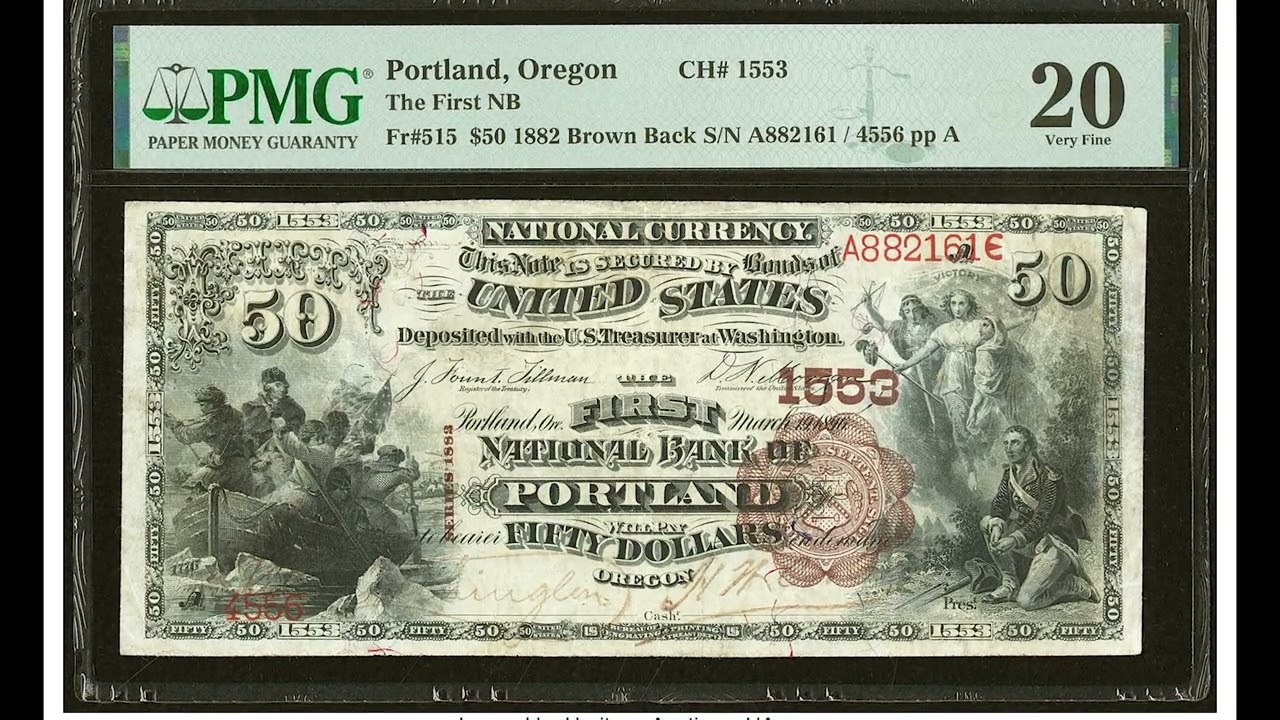
Oregon banknotes were often adorned with intricate engravings that reflected both national themes and local pride. Images of agriculture, industry, and patriotic symbols were common, but some notes also featured depictions of local landmarks or allegorical figures representing prosperity and progress. The artistry of these notes makes them highly desirable among collectors, as each design tells a story about the values and aspirations of the issuing community.
Notable Banks and Their Notes
Several banks across Oregon became known for their distinctive issues. In Portland, early financial institutions produced notes that circulated widely throughout the region. Smaller towns such as Salem, Eugene, and Jacksonville also had banks that issued currency, each with unique designs and varying levels of rarity today. Collectors often seek out notes from lesser-known towns, as these are scarcer and provide a glimpse into communities that played vital roles in Oregon’s development.
The Role of National Banknotes
With the passage of the National Banking Act in 1863, many Oregon banks transitioned to issuing federally chartered notes. These national banknotes carried the name of the local bank and town, making them deeply tied to their place of origin. For collectors, these notes are especially significant because they combine the standardized format of national currency with the individuality of local identity. A note from a small Oregon town can be both a piece of national history and a treasured hometown artifact.
Collecting Oregon Banknotes Today
Modern collectors approach Oregon banknotes with a mix of historical curiosity and aesthetic appreciation. The rarity of these notes varies, with some issues surviving in only a handful of examples. Condition plays a major role in determining value, as crisp, well-preserved notes are far more desirable than worn or damaged ones. Beyond monetary worth, collectors cherish these notes for the stories they carry, often tracing the history of the issuing bank and the community it served.
The Connection to Hometowns
For many collectors, the appeal of Oregon banknotes lies in their personal connection to place. Owning a note from one’s hometown or ancestral community transforms collecting into a deeply meaningful pursuit. These notes serve as reminders of the economic struggles and triumphs of earlier generations, linking modern residents to the pioneers who built Oregon’s financial foundations. Collectors often describe the experience of finding a hometown note as both thrilling and profoundly personal.
Challenges in Preservation
Preserving Oregon banknotes requires careful attention, as the paper used in the 19th century was often fragile. Exposure to light, humidity, and handling can cause deterioration. Collectors typically store notes in protective sleeves and climate-controlled environments to ensure their longevity. The effort to preserve these notes is not just about maintaining their value but also about safeguarding a piece of Oregon’s cultural heritage for future generations.
Historical Value Beyond Currency
While Oregon banknotes were originally intended as tools of commerce, their historical value today far exceeds their original purpose. They provide insight into the economic conditions of frontier towns, the ambitions of local bankers, and the challenges of building financial stability in a developing state. For historians, these notes are primary sources that illuminate the daily lives and struggles of Oregon’s early residents. For collectors, they are artifacts that bridge the gap between past and present.
The Thrill of Discovery
One of the most exciting aspects of collecting Oregon banknotes is the possibility of discovery. Notes from obscure towns or short-lived banks occasionally surface in auctions or private collections, sparking excitement among enthusiasts. Each new find adds to the collective understanding of Oregon’s financial history, while also offering collectors the chance to own a piece of rare and irreplaceable heritage. The thrill of uncovering a note from a forgotten institution is part of what keeps the hobby vibrant and engaging.
Oregon Banknotes in the Broader Collecting World
Though Oregon’s issues represent only a small fraction of American currency history, they hold a special place in the broader world of numismatics. Collectors across the country recognize the rarity and beauty of these notes, often seeking them out to complete regional or thematic collections. Oregon’s notes stand alongside those of other frontier states as symbols of the challenges and creativity that defined America’s expansion westward.
Why Every Collector Should Know Them
Oregon banknotes are not just regional curiosities; they are essential pieces of American financial history. Every collector, whether focused on national banknotes, obsolete currency, or regional issues, benefits from understanding Oregon’s contributions. These notes highlight the interplay between local identity and national policy, offering lessons about resilience, adaptation, and the importance of community in shaping economic life. To know Oregon banknotes is to appreciate a vital chapter in the story of American money.
Conclusion: A Legacy Worth Preserving
Oregon banknotes from hometown banks are treasures that embody the spirit of local pride and national progress. They remind us that currency is more than a medium of exchange—it is a reflection of the people and places that issued it. For collectors, these notes offer both aesthetic beauty and historical depth, making them indispensable to any serious study of American numismatics. Preserving and celebrating Oregon’s banknotes ensures that the stories of its towns and communities continue to inspire future generations of collectors and historians alike.