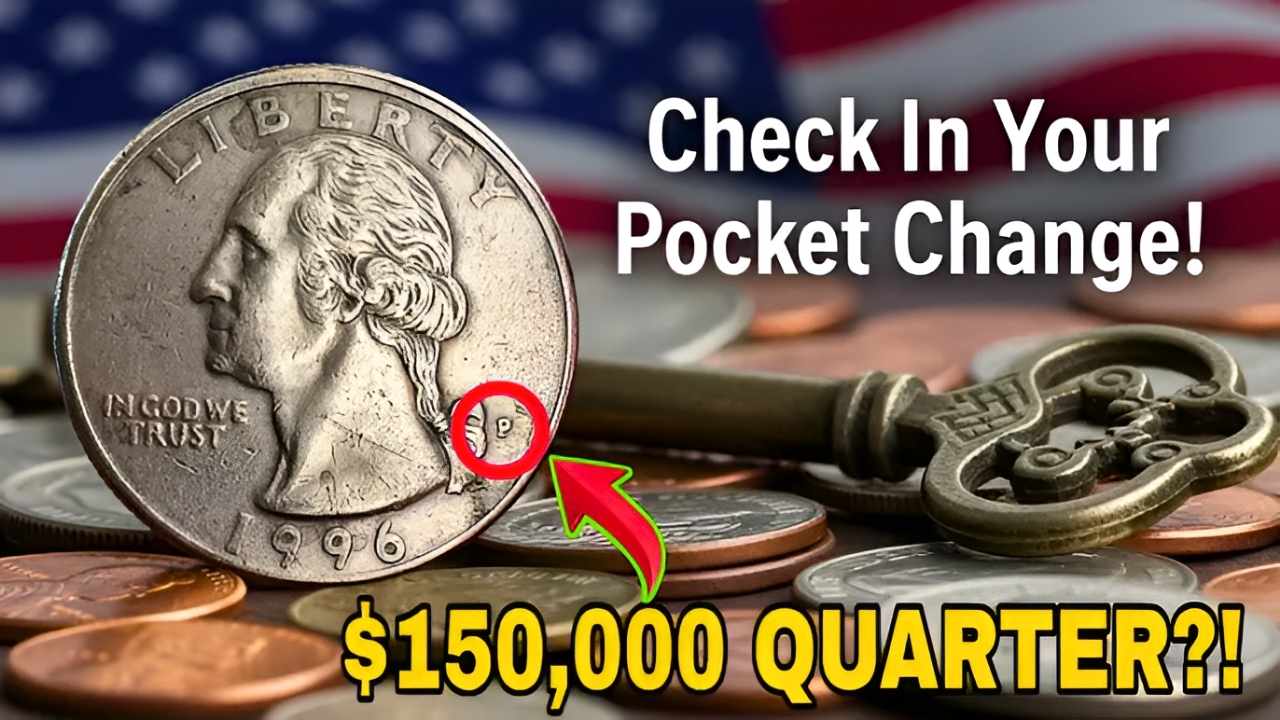
Between 1941 and 1944, the United States Mint produced some of the most historically significant and highly collectible pennies in American numismatic history. Driven by the material shortages of World War II, coin composition changes and minting anomalies created rare varieties that today command thousands of dollars in the collector market.
This urgent guide explains which wartime pennies to look for, why they are valuable, and how collectors determine their true worth.
Why 1941–1944 Pennies Are So Valuable
During World War II, the United States Mint altered coin production to conserve copper for military equipment. This shift resulted in experimental compositions, minting errors, and low-survival rarities that continue to drive strong collector demand.
Key factors influencing value include:
- Composition changes (copper vs. steel)
- Accidental transitional errors
- Mint mark location and rarity
- Overall coin condition and grading
- Collector demand and historical appeal
Small variations from these years can mean the difference between a one-cent coin and a five-figure collectible.
1941–1942 Lincoln Wheat Pennies
The early wartime years still featured traditional bronze composition coins under the iconic Abraham Lincoln design known as the Lincoln Wheat cent.
What to look for:
- 1941-S in high mint state condition
- 1942-D with strong strike and minimal wear
- Doubled die varieties (visible doubling in lettering)
- Uncirculated examples with original red luster
While most 1941–1942 pennies are common, pristine mint-state examples can range from $50 to over $1,000 depending on grading.
1943 Steel Penny – The Famous Wartime Issue
In 1943, copper was removed from penny production and replaced with zinc-coated steel, creating the iconic silver-colored cent.
Key details:
- Magnetic composition (steel core)
- Produced at Philadelphia, Denver, and San Francisco mints
- Susceptible to rust and corrosion
Most circulated 1943 steel cents are worth $5–$25. However:
- High-grade uncirculated examples can exceed $100
- Rare 1943 copper errors are worth $100,000 or more
- Certified examples have sold at auction for six figures
The 1943 copper penny is considered one of the most famous U.S. coin errors ever discovered.
1944 Steel Penny – The Ultra-Rare Transitional Error
In 1944, the Mint returned to copper composition. However, a small number of leftover steel planchets from 1943 were accidentally struck with 1944 dies.
These 1944 steel cents are exceptionally rare.
Important characteristics:
- Magnetic response
- Silver-gray steel appearance
- Extremely limited confirmed examples
A genuine 1944 steel penny can be worth $75,000 to over $150,000 depending on condition and authentication.
Mint Marks and What They Mean
Wartime pennies were struck at three facilities operated by the United States Mint:
- No mint mark: Philadelphia
- D mint mark: Denver
- S mint mark: San Francisco
Certain mint mark combinations are rarer than others, particularly when paired with error compositions.
Collectors should inspect the area below the date for mint mark identification.
How to Identify a Valuable Wartime Penny
Before assuming high value, conduct a careful inspection:
- Use a magnet (steel cents will stick)
- Check weight (steel ≈ 2.7g, copper ≈ 3.11g)
- Look for doubling in letters and numbers
- Examine surface for original mint luster
- Avoid cleaning the coin
Professional authentication from reputable grading services is strongly recommended for suspected rare finds.
Grading and Certification
Coin condition dramatically impacts value. Grading ranges from:
- Good (heavy wear)
- Fine (moderate wear)
- Extremely Fine (light wear)
- Mint State (uncirculated)
Third-party certification companies encapsulate coins and verify authenticity, which significantly increases market confidence and resale potential.
Estimated Market Value Overview
Approximate value ranges:
- 1941–1942 common circulated cents: $0.05–$2
- 1943 steel circulated: $5–$25
- 1943 steel uncirculated: $50–$150
- 1943 copper error: $100,000+
- 1944 steel error: $75,000–$150,000+
Market prices vary based on demand, auction trends, and condition.
Common Counterfeits to Watch For
Because rare wartime pennies command high prices, counterfeits are common.
Red flags include:
- Altered dates (1948 modified to appear as 1943)
- Copper-plated steel cents
- Added mint marks
- Filed or reshaped numerals
Always seek professional authentication before buying or selling high-value specimens.
Final Verdict
The 1941–1944 wartime penny era remains one of the most exciting periods for American coin collectors. From standard bronze Wheat cents to ultra-rare transitional steel errors, these coins combine historical importance with serious investment potential.
If you have old pennies stored away, especially from 1943 or 1944, a simple magnet test and professional evaluation could reveal a small copper coin worth thousands — or even six figures.