Air travel has a way of testing even the calmest among us. Long before you fasten your seat belt, your mind is already busy with details. Did I pack everything? Is my gate still the same? Will my connection be tight? For many travelers, especially those who prefer planning and predictability, the airport can feel overwhelming before the journey even begins.
Now imagine this. You check in for your flight, print or download your boarding pass, and notice something unusual. A short, unfamiliar code appears on the paper or screen. Four letters that mean nothing to you at first glance, yet somehow make your stomach tighten.
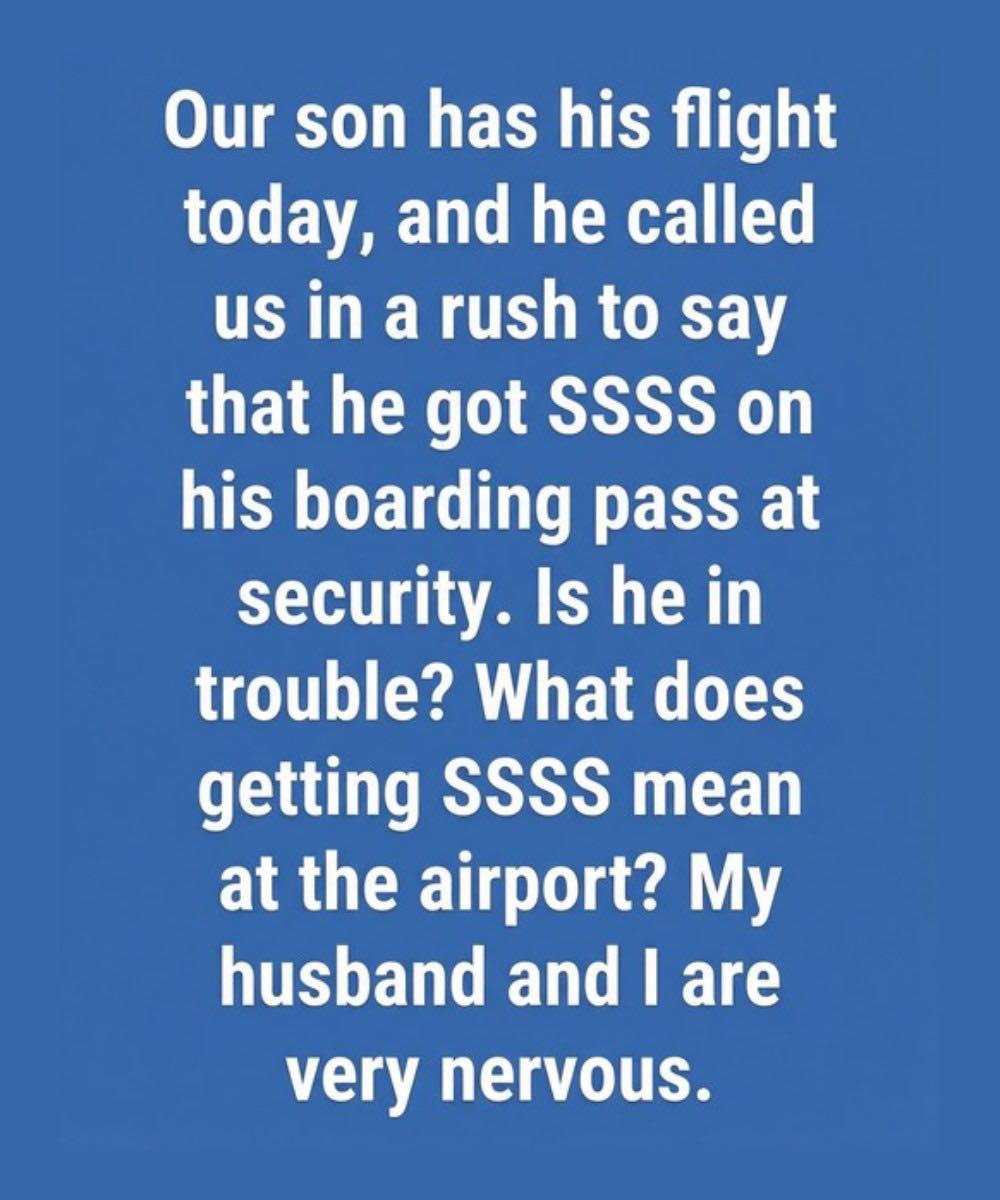
SSSS.
For some people, that code doesn’t become obvious until they reach the security checkpoint and suddenly find their process taking longer than everyone else’s. Bags are opened. Items are examined more closely. Questions take extra time. Confusion sets in.
What does it mean? Why is it there? And should you be worried?
Understanding this small code can make a big difference in how you experience air travel, especially if you value calm, clarity, and preparation.
What “SSSS” Actually Means
The letters “SSSS” stand for Secondary Security Screening Selection. It is a marker used by airport security to indicate that a passenger has been selected for additional screening before boarding a flight.
This designation is part of a broader security system designed to keep air travel safe. It is not an accusation, and it is not a judgment of character. In most cases, it has nothing to do with wrongdoing at all.
Many travelers are surprised to learn that this code often appears without warning. You are not notified in advance. There is no email or phone call explaining it. Most people only discover it when their routine airport experience suddenly changes.
That surprise is what makes the code feel unsettling. But context matters.
Why This System Exists
Modern air travel relies on layered security. Instead of treating every passenger exactly the same, systems are designed to balance safety with efficiency. The goal is to identify potential risks while allowing most travelers to move through airports with minimal delay.
The “SSSS” code is part of a risk-based screening approach. Passenger information is reviewed before travel using data already required when booking a ticket, such as your full legal name, date of birth, and other basic identifying details. This information is checked against government databases and internal security criteria.
It’s important to understand that this process is largely automated. Computers flag patterns. Algorithms assess factors. Human judgment may come later, but the initial selection often happens without anyone personally evaluating you.
Being Selected Does Not Mean You Are Suspected
One of the biggest misconceptions about the SSSS code is that it implies suspicion or guilt. In reality, many selections are completely random. Others are triggered by everyday, harmless circumstances.
For example, travelers may see this code appear if they booked a flight at the last minute, especially for an international destination. Sometimes it happens when reservation details are incomplete or slightly inconsistent. In other cases, it may occur because a passenger’s name closely matches someone else’s name in a security database.
Even frequent flyers with spotless travel histories can be selected from time to time. Having the code does not place you on a permanent list, nor does it follow you forever. One trip may involve extra screening, while the next goes smoothly.
What Happens During Secondary Screening
If your boarding pass includes “SSSS,” you can expect a more detailed security process. While procedures vary slightly by airport and country, the overall experience usually follows a predictable pattern.
Security officers may conduct a more thorough inspection of your carry-on bags. Electronics might be removed and examined individually. Personal items could be swabbed and tested as part of standard safety protocols. You may also be asked additional questions to verify your identity.
The process can feel intrusive, especially if you are unprepared. It can also take longer than usual, which may cause stress if you are worried about boarding on time. However, these steps follow established guidelines designed to ensure safety for everyone on the aircraft.
How Preparation Changes the Experience
Preparation does not prevent secondary screening, but it can dramatically reduce frustration.
Arriving early is one of the most effective ways to lower stress. Extra time gives you breathing room and allows the process to unfold without pressure. Rushing through enhanced screening often increases anxiety and makes the experience feel more difficult than it needs to be.
Organization matters as well. Keeping electronics easily accessible, following liquid and clothing guidelines, and minimizing clutter in your carry-on can help security officers complete their work efficiently. Wearing minimal metal and knowing which items may need to be removed also speeds things along.
Perhaps most importantly, remaining calm and cooperative sets the tone. Security personnel are doing their job, not making personal judgments. A respectful attitude often leads to a smoother interaction and quicker resolution.
Why the Code Feels So Personal
For many travelers, especially those who have spent a lifetime valuing independence and dignity, being singled out can feel unsettling. It can trigger a sense of embarrassment or unfairness, even when logic says otherwise.
Part of that reaction comes from the lack of explanation. Humans naturally dislike uncertainty. When something unexpected happens without context, our minds fill in the gaps with worry.
Understanding what the SSSS code represents replaces fear with clarity. It transforms the experience from a personal affront into a procedural step. Knowledge allows you to remain grounded rather than reactive.
Can You Prevent It From Happening Again?
There is no guaranteed way to avoid secondary screening entirely. Because some selections are random, even the most careful traveler may encounter it occasionally.
That said, ensuring your booking information is accurate and consistent can help reduce unnecessary flags. Using your full legal name as it appears on identification, avoiding last-minute changes when possible, and maintaining organized travel habits all support smoother processing.
Some frequent travelers explore trusted traveler programs that may reduce the likelihood of extra screening, though even participants in such programs can be selected from time to time.
Reframing the Experience
It helps to remember the larger purpose behind security measures. Secondary screening exists to protect passengers, crew members, and the integrity of air travel itself. It is not designed to inconvenience, embarrass, or punish.
When you know what to expect, the experience becomes less intimidating. Instead of wondering what went wrong, you can approach the situation with patience and confidence.
For many seasoned travelers, the key is mindset. Viewing the process as a temporary step rather than a personal setback allows you to move through it with dignity intact.
A Small Code With a Simple Meaning
The letters “SSSS” may look ominous at first, but their meaning is straightforward. They indicate additional screening, nothing more. They do not define you, judge you, or predict your future travel experiences.
Air travel will always involve some level of unpredictability. Flights change. Lines move slowly. Plans adjust. What matters is how prepared you feel when the unexpected happens.
By understanding the purpose behind this code, you reclaim a sense of control. You replace confusion with knowledge and anxiety with perspective.
And sometimes, that small shift is all it takes to make the journey feel manageable again.