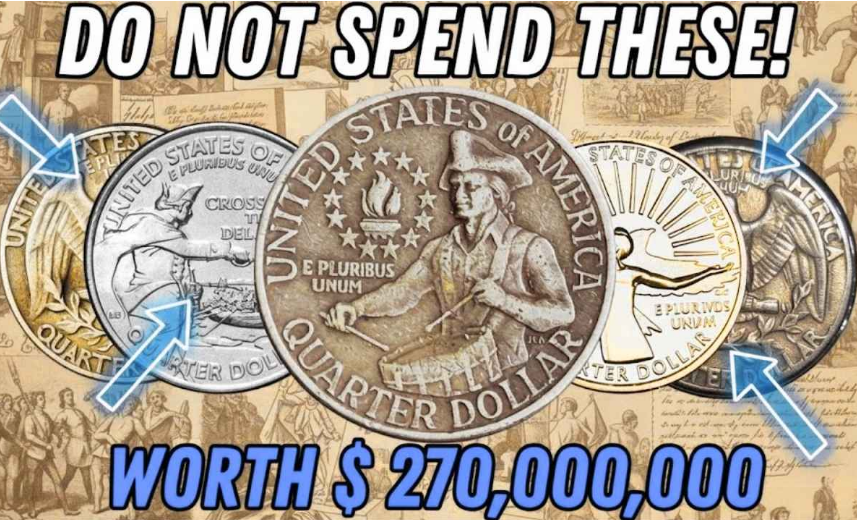
State Quarters: The U.S. Mint’s 50 State Quarters Program, active from 1999 through 2008 with final releases in 2009, became one of the most influential coin initiatives in modern American history. By introducing unique reverse designs for each state, the program transformed everyday quarters into miniature lessons in geography, culture, and heritage. What began as a government minting project quickly evolved into a nationwide collecting movement that reached far beyond traditional coin enthusiasts.
State Quarters Value Reference Guide
| Category | Description and Identifying Traits | Typical Value Range (2025) | Collector Appeal |
|---|---|---|---|
| Circulated Coins | Coins that entered daily use and show visible wear, dull surfaces, and softened details | $0.25 | Common and plentiful, mainly used to complete casual collections |
| Uncirculated Coins | Coins never used in commerce, retaining full mint luster and sharp detail | $1 to $5+ | Favored by collectors seeking high-quality examples |
| Silver Proof Quarters | Special issues struck in 90% silver with mirror-like finishes, marked with an S mint mark | $8 to $40+ | Popular for both silver content and visual quality |
| Error Quarters | Coins with verified minting mistakes such as off-center strikes or doubled elements | $50 to $1,000+ | Scarcity and uniqueness drive strong collector demand |
| Complete State Sets | Full collections of state and territory quarters in uniform condition | $15 to $300+ | Value increases with condition, packaging, and presentation |
Why State Quarters Captured Public Attention
One reason state quarters resonated so strongly with the public was their inclusive design process. Each state contributed ideas that reflected its history, landmarks, and identity, often incorporating public input. This sense of participation made the coins feel personal. The staggered release schedule of five states per year encouraged long-term collecting, turning the hobby into an ongoing experience rather than a one-time effort. Families, students, and casual collectors found themselves engaged simply by checking their pocket change.
Understanding State Quarter Values
Despite massive production numbers, not all state quarters carry the same value. Most circulated examples remain worth only face value. Collectible premiums emerge when coins are preserved in mint condition, struck in silver, or feature legitimate minting errors. Coins removed early from circulation and stored carefully tend to hold higher value than those exposed to years of handling and wear.
Key Factors That Influence Collectibility
Condition plays the largest role in determining a quarter’s worth. Coins graded in mint state condition are far more desirable than worn examples. Mint marks also matter, as Philadelphia and Denver strikes can vary slightly in availability. Silver proof quarters stand apart due to their precious metal content. Error coins represent another category entirely, as mistakes during the minting process can create rare variations that attract advanced collectors.
The Broader Impact of the State Quarters Program
Beyond monetary value, the program reshaped public interest in U.S. coinage. It encouraged millions to learn about American history through currency and sparked renewed enthusiasm for collecting. Its success led directly to later series such as America the Beautiful Quarters and the American Women Quarters program. These initiatives continued the idea that coins can serve as historical storytellers rather than simple tools of commerce.
Final Verdict
The rise of state quarters demonstrates how thoughtful design and public involvement can transform ordinary money into cultural artifacts. While most state quarters will never be rare, select examples with superior condition, silver content, or mint errors have become meaningful collectibles. Their greatest legacy lies not in profit, but in how they inspired a generation to look more closely at the history in their hands.
Disclaimer
All values mentioned are estimates based on recent collector markets and may change over time. Coin prices vary depending on condition, authentication, and demand. This article is intended for informational purposes only and should not be considered financial or investment advice.