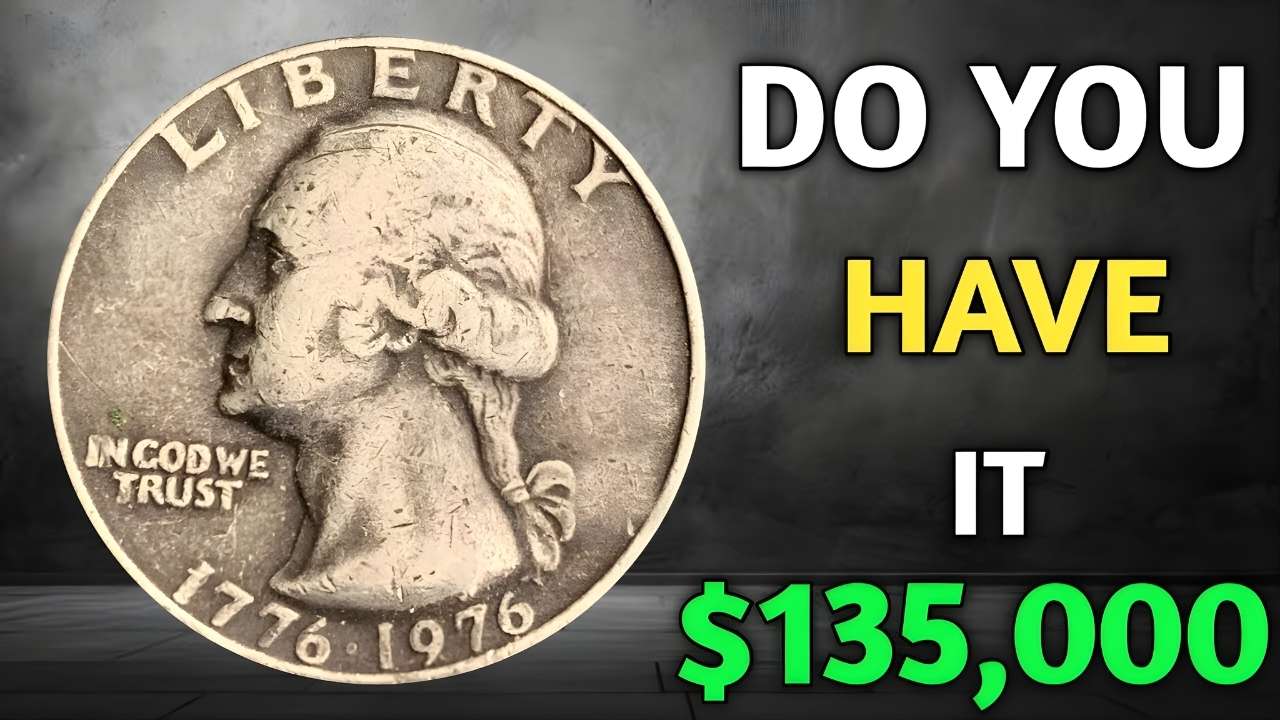
Rare 1776–1976 Bicentennial Quarters Worth Big Money: The 1776–1976 Bicentennial quarter is one of the most recognizable coins in American history. Issued to celebrate the 200th anniversary of the signing of the Declaration of Independence, it features a unique reverse design with a colonial drummer and a torch surrounded by thirteen stars. While millions of these coins were produced and most are worth only their face value, certain rare varieties and pristine examples can be worth big money. Collectors prize these coins for their historical significance, and some have sold for hundreds or even thousands of dollars at auction.
The Story Behind the Bicentennial Quarter
In 1976, the United States Mint released a special series of coins to commemorate the nation’s bicentennial. The quarter, half dollar, and dollar all received new reverse designs. The quarter’s design was created by Jack L. Ahr, who won a national competition. His depiction of a colonial drummer became an iconic symbol of the bicentennial celebration. These coins were struck in both circulation strikes and special collector editions, including silver-clad versions. The bicentennial quarters were produced in 1975 and 1976, but all bear the dual date 1776–1976, making them instantly recognizable.
Why Most Bicentennial Quarters Are Common
The Mint produced hundreds of millions of bicentennial quarters, ensuring that they would be widely available to the public. As a result, most examples are extremely common and worth only 25 cents today. Even circulated silver-clad versions are usually worth only a few dollars. However, rarity in coin collecting is not just about mintage numbers. It is about survival in high grades and the presence of unusual varieties or errors. This is where certain bicentennial quarters stand out and become valuable.
Rare Varieties and Errors
Collectors are especially interested in bicentennial quarters that feature rare varieties or minting errors. Some of the most notable include doubled die errors, off-center strikes, and coins struck on the wrong planchet. Doubled die errors occur when the coin’s design is accidentally doubled during the minting process, creating a distinctive look on the lettering or numbers. Off-center strikes result when the coin is not properly aligned, leaving part of the design missing. Wrong planchet errors happen when a coin is struck on a blank intended for another denomination. These rare varieties can command hundreds or even thousands of dollars depending on condition and demand.
The Role of Condition in Value
Condition plays a critical role in determining the value of bicentennial quarters. Coins are graded on a scale from 1 to 70, with higher grades indicating better preservation. A heavily worn bicentennial quarter is worth only face value, but a pristine uncirculated example can be worth significantly more. Coins graded Mint State 67 or higher are especially desirable, and some have sold for hundreds of dollars. Proof versions, which were specially struck for collectors, can also be valuable if they are in perfect condition. Professional grading services such as PCGS and NGC provide certification that assures buyers of a coin’s authenticity and grade, often increasing its market value.
Silver Bicentennial Quarters
In addition to the standard copper-nickel clad quarters, the Mint also produced silver-clad bicentennial quarters for collectors. These coins contain 40 percent silver and were sold in special sets. While most silver bicentennial quarters are worth only a few dollars above their silver content, high-grade examples or coins with errors can be worth much more. Collectors often seek out these silver issues because they represent a special subset of the bicentennial coinage and add variety to a collection.
Auction Records and Market Demand
Auction records show that rare bicentennial quarters can achieve impressive prices. While most sell for modest premiums, coins with dramatic errors or exceptional grades have crossed into the thousands. For example, a bicentennial quarter graded MS 68 with flawless surfaces might attract bids well over $1,000. Similarly, a dramatic off-center error could sell for several hundred dollars or more. These examples highlight the potential hidden in what appears to be ordinary pocket change. Market demand plays a significant role, and bicentennial quarters remain popular among collectors because of their historical significance and unique design.
How to Identify Valuable Bicentennial Quarters
If you suspect you have a valuable bicentennial quarter, start by examining its condition. Look for sharp details, strong luster, and minimal wear. Next, check for errors such as doubling, off-center strikes, or unusual planchets. A magnifying glass or jeweler’s loupe can help spot these anomalies. If you believe your coin is special, consider submitting it to a professional grading service for certification. Proper storage is also important, as protecting coins from damage helps preserve their value. Even small differences in grade can mean large differences in price.
The Broader Significance of Bicentennial Quarters
Beyond their monetary value, bicentennial quarters hold a special place in American history. They represent a nationwide celebration of freedom and independence, and their unique design makes them stand out from other quarters. Collectors appreciate these coins not only for their potential worth but also for their connection to the bicentennial era. Each coin is a tangible piece of history, and owning one provides a direct link to the spirit of 1976. The thrill of discovering a rare bicentennial quarter is not just about money but also about uncovering a hidden treasure from America’s past.
Conclusion
The 1776–1976 bicentennial quarter is a fascinating coin for collectors and casual enthusiasts alike. While most examples are worth only 25 cents, rare varieties, silver issues, and high-grade specimens can transform them into treasures worth hundreds or even thousands. By paying attention to condition, errors, and market demand, you might discover that your pocket change holds far more value than you imagined. Whether you are a seasoned numismatist or a curious beginner, the bicentennial quarter offers both historical significance and the thrill of potential hidden wealth.