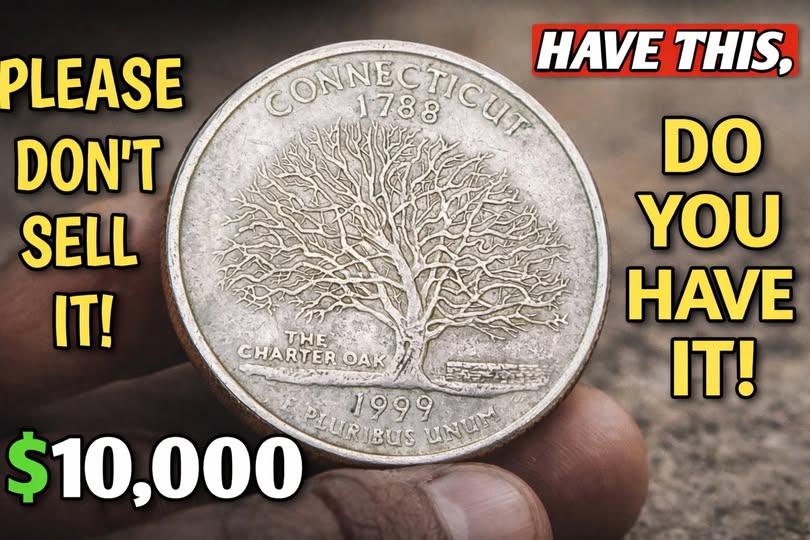
The 1999-D Connecticut State Quarter is one of the most commonly found coins from the U.S. State Quarters Program-but don’t let its ordinary appearance fool you. While most examples are worth just 25 cents, some versions of this coin can be worth hundreds or even thousands of dollars depending on condition, minting errors, and rarity.
In this guide, we’ll explore what makes a 1999-D Connecticut quarter valuable, how to identify rare varieties, and why collectors are willing to pay top dollar for certain examples. If you’ve ever wondered whether that old quarter in your pocket could be a hidden treasure, you’re in the right place.
How Much Is a 1999-D Connecticut Quarter Worth?
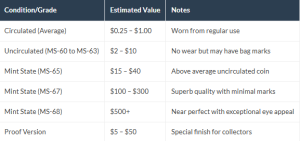
The vast majority of 1999-D Connecticut quarters are worth only their face value of 25 cents. However, exceptional examples can command higher prices. The value depends on several factors including condition, mint marks, and any errors present.
Key Takeaway
Most 1999-D Connecticut quarters are common, but high-grade uncirculated examples (MS-67 and above) can be worth significant money. Always check your coins carefully before assuming they’re only worth face value.
Coin Condition and Mint State Grades Explained
Condition is the most important factor determining a coin’s value. The Sheldon Scale grades coins from 1 (poor) to 70 (perfect). For modern coins like the 1999-D quarter, anything below MS-60 (Mint State) is considered circulated and has little premium value.
Understanding Mint State Grades
MS-60 to MS-63: These coins have no wear but may have noticeable contact marks, hairlines, or lackluster strikes. They’re worth a small premium over face value.
MS-64 to MS-66: These are attractive uncirculated coins with fewer marks and better eye appeal. They represent the majority of high-grade Connecticut quarters.
MS-67 and above: These are exceptional coins with minimal marks, strong strikes, and excellent eye appeal. They’re rare and command substantial premiums.
Rare Errors That Increase Value
Error coins can be worth far more than their perfectly struck counterparts. Here are some errors to look for on your 1999-D Connecticut quarter:
Die Breaks and Cuds
When a die cracks and breaks, it creates raised metal lines or blobs on the coin. Large die breaks (cuds) on the Connecticut quarter can increase value to $50-$200 depending on size and location.
Off-Center Strikes
If the coin blank isn’t properly centered when struck, part of the design will be missing. Off-center strikes of 10% or more can be worth $75-$300.
Double Dies
Doubling of design elements due to misaligned die impressions. While no major double dies are known for the 1999-D quarter, minor doubling might add a small premium.
Silver Proof vs Regular Quarters
The U.S. Mint produced both regular copper-nickel clad quarters and 90% silver proof quarters for collectors. Silver proofs have an “S” mint mark (not “D”) and contain 0.1808 troy ounces of silver.
A 1999-5 silver proof Connecticut quarter is worth $8-$15 for the silver content alone, with perfect examples (PR-70) valued at $20-$30. These were only sold in proof sets, not released into circulation.
Market Demand and Price Fluctuations
The State Quarters series sparked renewed interest in coin collecting in the early 2000s. While Connecticut was the 5th state quarter released, its “D” (Denver) mint version had a mintage of 688,744,000 coins-making it common in circulated condition.
However, demand remains strong for high-grade examples. Population reports from grading services show fewer than 200 examples graded MS-68, explaining their premium value. Prices fluctuate based on
Should You Keep or Sell Your Coin?
If you have a 1999-D Connecticut quarter in average circulated condition, it’s likely worth only 25 cents. However, if your coin appears uncirculated with no wear and exceptional luster, consider having it professionally graded.
When to Sell
Sell if you have a high-grade example (MS-67 or better) and need cash, or if you’re not interested in long-term collecting. High-grade coins often perform well at major auction houses.
When to Keep
Keep if your coin has sentimental value, completes a collection, or if you believe its value will appreciate over time. State quarters represent an important chapter in U.S. numismatic history.
Conclusion
Although most 1999-D Connecticut State Quarters are only worth face value, certain examples can be surprisingly valuable. Coins in uncirculated condition, high mint-state grades like MS-68, rare minting errors, and silver proof versions can significantly increase a coin’s worth.
Before spending or selling your quarter, take the time to inspect it carefully. Understanding these key factors could help you uncover a valuable collectible hiding in plain sight. Coin collecting isn’t just about money-it’s about history, craftsmanship, and the excitement of discovery.
Remember: The most valuable coins are often those that have been preserved in pristine condition since minting. If you find a shiny 1999-D quarter with no signs of wear, it might be worth more than you think!
Disclaimer:
Coin values are estimates based on recent market data and auction results. Actual prices may vary based on buyer, seller, and specific coin characteristics. Always consult with a professional coin grader or numismatist for accurate valuations