Bacon sizzles in a pan on a Sunday morning. Ham sits between slices of bread in a lunchbox. Hot dogs rotate on rollers at a baseball game. For generations, these foods have occupied a comfortable, familiar place in kitchens and dining tables around the world. Few people think twice before reaching for a slice of salami or adding pepperoni to a pizza order.
Yet something changed in how scientists and health organizations view these everyday foods. A classification decision, years in the making and based on hundreds of studies from around the globe, has forced a reckoning with what we put on our plates. And while tobacco companies and asbestos manufacturers have long faced public scrutiny, the food industry now finds itself grappling with similar questions about its products.
What follows is a story about chemistry, risk, and the difficult choices that emerge when science delivers news nobody wants to hear.
A Classification That Shook the Food Industry
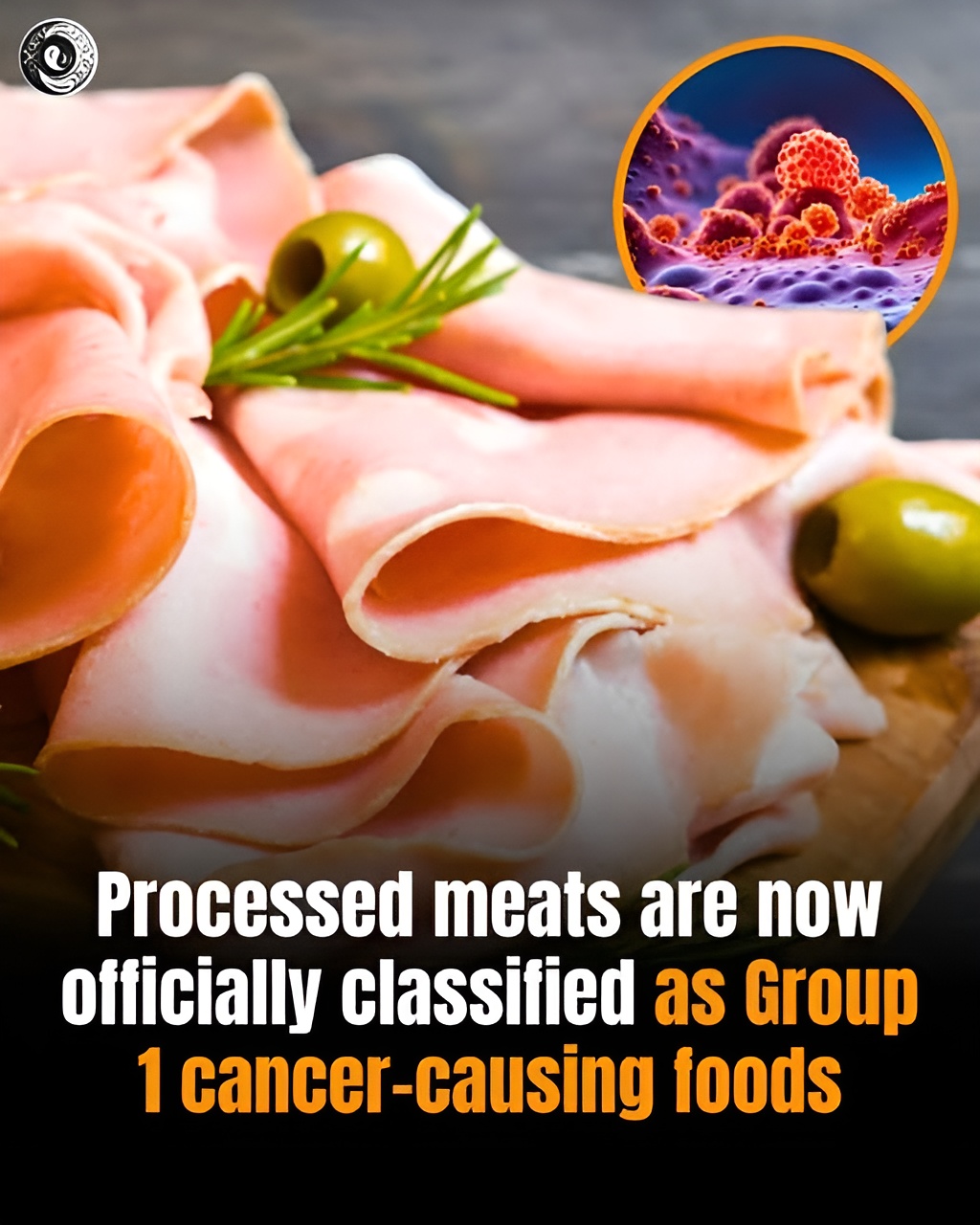
World Health Organization officials made an announcement that sent ripples through grocery aisles and restaurant menus worldwide. Processed meats now sit in Group 1 on the International Agency for Research on Cancer list. Group 1 carries a specific meaning in scientific circles. It signals that strong evidence links a substance to cancer in humans.
Bacon, ham, hot dogs, sausages, salami, corned beef, biltong, beef jerky, and canned meats all fall under this classification. Any meat transformed through salting, curing, fermentation, smoking, or similar preservation methods belongs in this category. Most processed meats contain pork or beef as their base, although poultry and offal may also be included in these products.
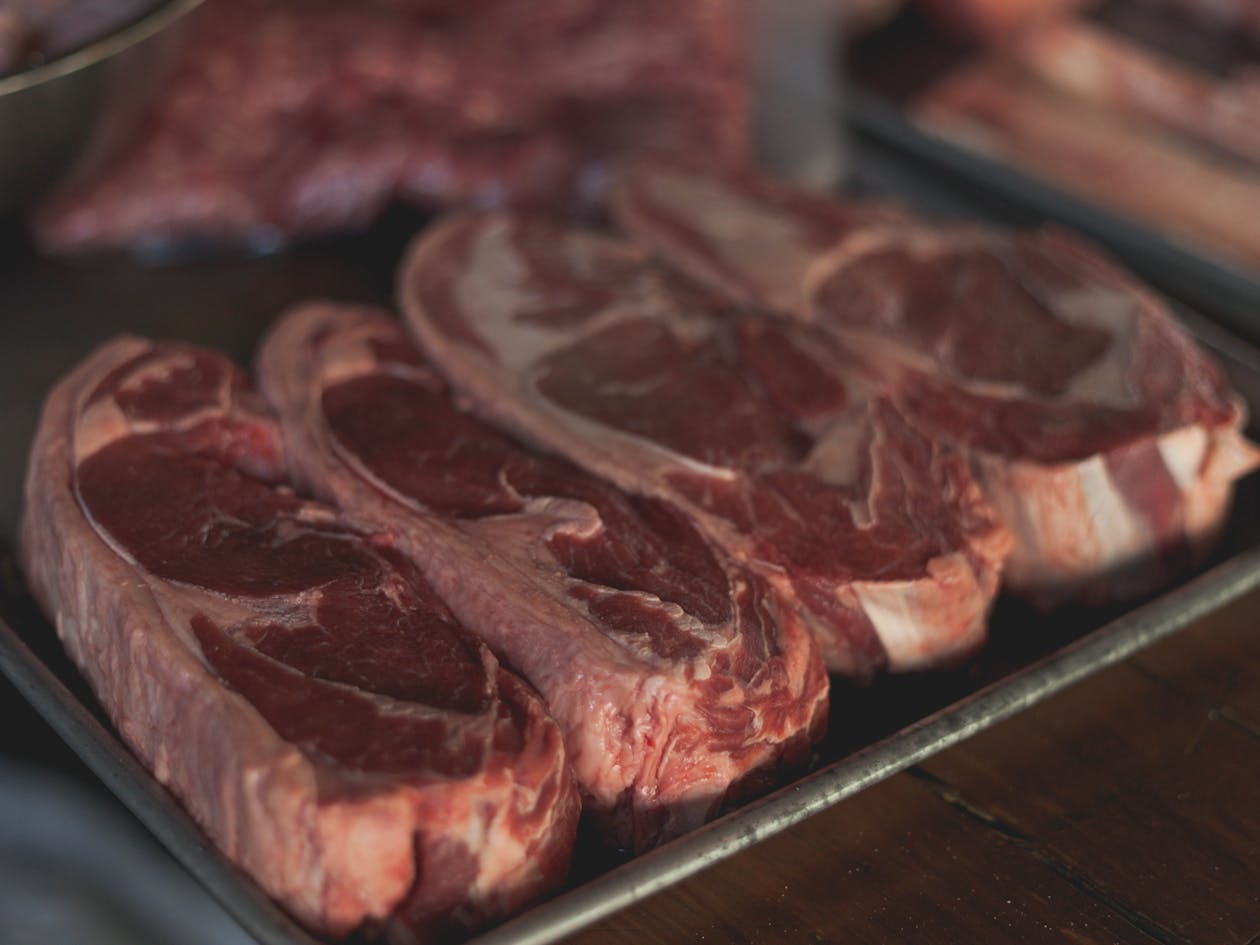
Red meat received its own designation. Beef, veal, pork, lamb, mutton, horse, and goat now carry a Group 2A label, meaning these foods probably cause cancer. Evidence here remains limited, but positive associations with colorectal cancer have appeared across multiple studies.
An international advisory committee recommended both red meat and processed meat as high priorities for evaluation back in 2014. Epidemiological studies had suggested small increases in cancer risk among people who consumed high amounts of these foods. Given that meat consumption continues to rise in low- and middle-income countries, even small individual risks could translate into significant public health concerns at a population level.
Same Category, Different Danger
A reasonable question emerges from this classification. Does processed meat pose the same threat as tobacco smoking or asbestos exposure? Both tobacco and asbestos also sit in Group 1.
Here lies an important distinction that often gets lost in headlines. IARC classifications describe the strength of scientific evidence about an agent causing cancer. Classifications do not assess the level of risk itself. Convincing evidence exists that processed meat causes cancer, just as convincing evidence exists for tobacco. But convincing evidence and equivalent danger are two different things.
Numbers help illustrate this difference. About 34,000 cancer deaths per year worldwide are connected to diets high in processed meat, according to estimates from the Global Burden of Disease Project. Compare that figure with tobacco smoking at eight million deaths annually, alcohol consumption at 600,000, and air pollution at more than 200,000.
If associations between red meat and cancer were proven causal, an estimated 50,000 deaths per year could follow. Scientists have not yet established red meat as a definitive cause of cancer, so this figure remains hypothetical.
Inside Your Gut, a Chemical Reaction
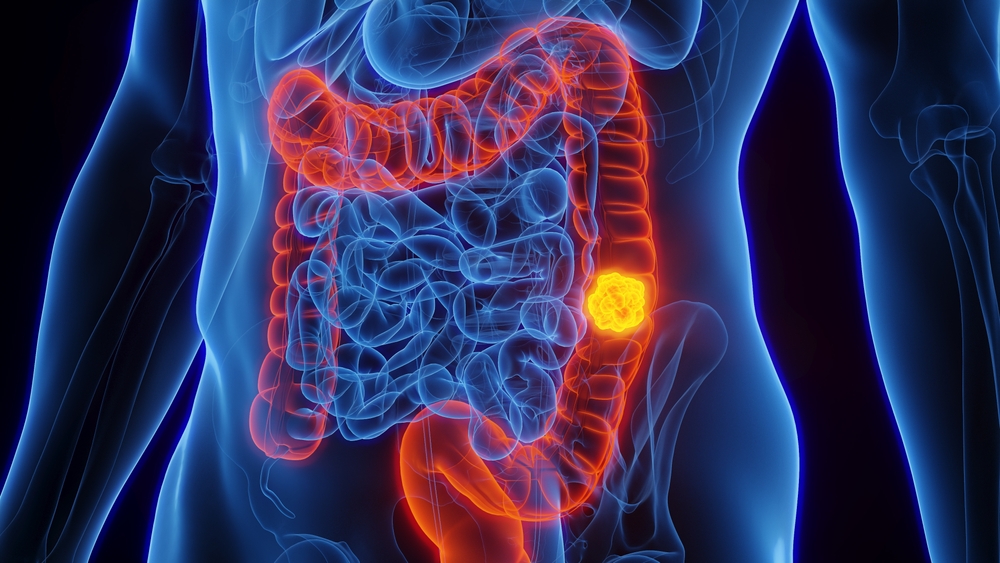
Understanding why processed meats earned their classification requires a journey into human digestion. Red meat contains a chemical called haem, which gives meat its red color. When haem breaks down in the gut during digestion, N-nitroso compounds form. Research has shown these compounds damage cells lining bowel walls. Damaged cells can develop into bowel cancer over time.
Processed meats trigger similar chemical reactions. Digestion of these foods also produces N-nitroso compounds. But processed meats carry an additional concern. Nitrite and nitrate preservatives, added during curing and preservation processes, generate their own N-nitroso compounds. Consumers of processed meat face exposure from multiple sources within a single food item.
Cooking methods add another layer to this equation. High-temperature cooking or direct flame contact, such as barbecuing or pan-frying, produces certain carcinogenic chemicals. Polycyclic aromatic hydrocarbons and heterocyclic aromatic amines form when meat meets intense heat. IARC’s Working Group did not have enough data to reach firm conclusions about whether cooking methods affect cancer risk, but the presence of these additional chemicals warrants attention.
Measuring Risk by the Gram
Abstract classifications become concrete when attached to specific quantities. Every 50 grams of processed meat eaten daily increases colorectal cancer risk by about 18 percent. To visualize 50 grams, imagine roughly two slices of bacon or one hot dog.
Red meat presents its own numerical profile. Eating more than 700 grams of raw red meat weekly increases bowel cancer risk. If the association between red meat and colorectal cancer were proven causal, data suggest that every 100 grams eaten daily could raise risk by 17 percent.
Risk also compounds in another way. Cancer survivors who maintain healthy diets reduce their chances of recurrence. What goes on a plate matters both for prevention and for those already affected by the disease.
An analysis drawing from 10 studies produced these estimates. Risk increased with the amount of meat consumed across the research reviewed. Small portions carried small increases. Large portions carried larger increases. Dose and response moved together in predictable patterns.
What Health Organizations Recommend

Cancer Council guidelines offer specific numbers for those seeking direction. No more than one serving of lean red meat per day, or two servings three to four times weekly, represents their recommendation. One serving equals 90 to 100 grams raw or 65 grams cooked. Half a cup of mince, two small chops, or two slices of roast meat all qualify as single servings.
Processed meat receives a starker recommendation. Cut it out or keep it to an absolute minimum. Bacon, ham, devon, frankfurts, chorizo, cabanossi, and kransky all fall under this guidance.
IARC itself does not issue health recommendations. As a research organization, it evaluates evidence on cancer causes and leaves guideline development to national governments and WHO. A 2002 WHO recommendation already encouraged people who eat meat to moderate processed meat consumption. That guidance aimed at reducing colorectal cancer risk predates the current Group 1 classification.
Governments worldwide may now incorporate this new cancer hazard information when updating dietary recommendations. Some existing guidelines already limit red and processed meat intake, though many focus on reducing fat and sodium for cardiovascular and obesity concerns rather than cancer prevention.
Building a Plate Without Processed Meat
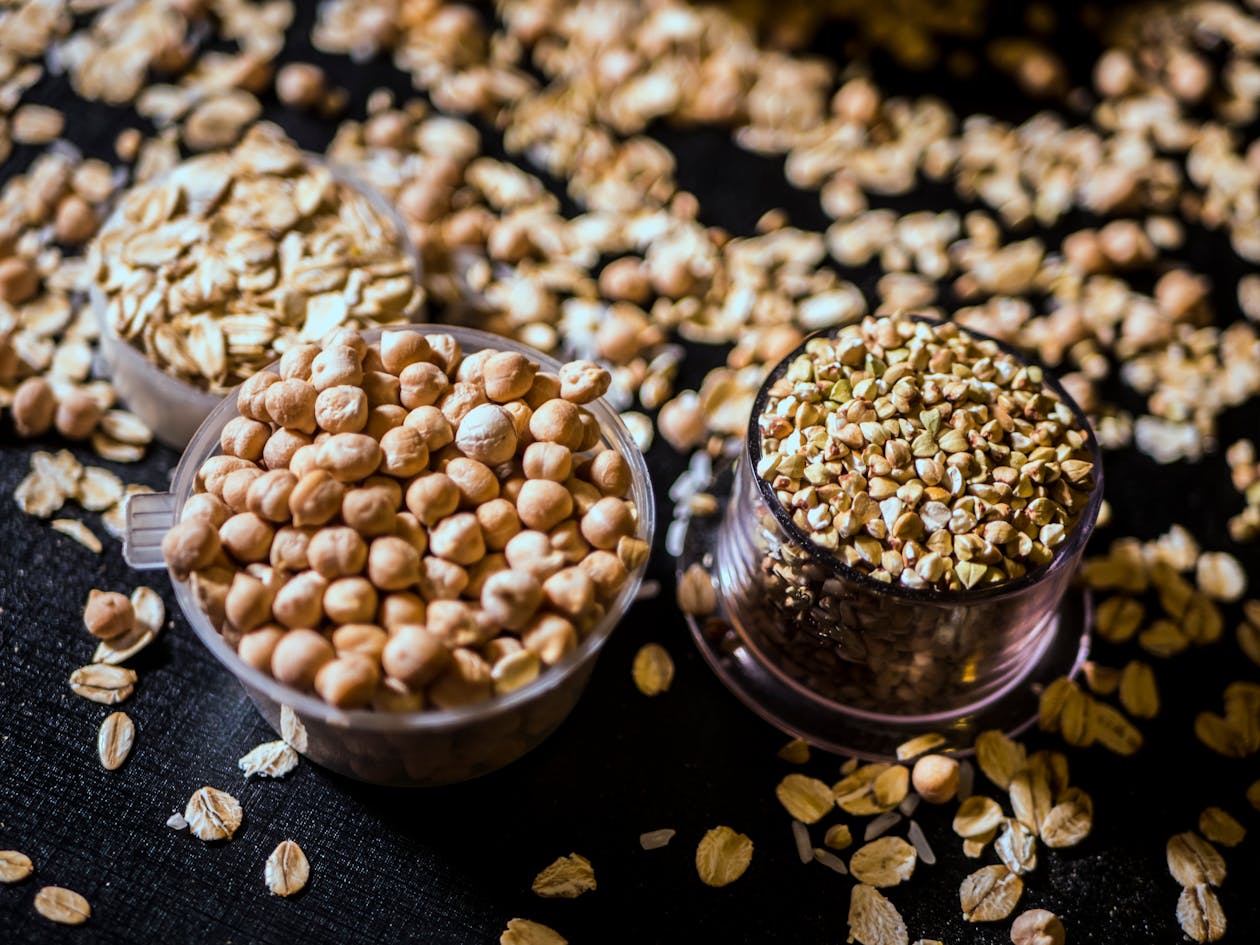
Practical alternatives exist for those ready to change their eating habits. Protein needs do not require processed meat to meet them. Substitutes for one serving of red meat include 80 grams of cooked chicken or turkey, 100 grams of cooked fish, two large eggs, one cup of cooked lentils or chickpeas or beans, 30 grams of nuts, or 170 grams of tofu.
Meal swaps can happen without dramatic lifestyle overhauls. Pizza topped with chicken, mushrooms, eggplant, or capsicum delivers flavor without pepperoni or prosciutto. Marinated chicken offers an alternative to red meat portions. Fish a couple of times each week to diversify protein sources. Veggie patty burgers, vegetable lasagne, tofu stir fry, and falafel wraps all provide satisfying meals free from the concerns attached to processed meat.
Vegetarian diets can meet nutritional needs with proper planning. Those who eliminate meat and other animal foods should ensure adequate intake of protein, Vitamin B12, iron, zinc, calcium, and omega-3 fatty acids. Plant-based eating requires attention to these nutrients but remains a viable path.
What Individuals Can Do Now
Updated guidelines related to cancer have not yet arrived from all health authorities. IARC Monographs often serve as a basis for national and international policies, but government responses take time to develop and implement. In the interim, individuals concerned about cancer have options.
Reducing consumption of red and processed meat represents one approach while awaiting official guidance. Cutting back need not mean complete elimination for those unwilling to make dramatic changes. Even modest reductions in processed meat intake could lower risk exposure.
Portion control offers another strategy. Smaller servings of red meat, within the recommended limits of 90 to 100 grams raw per serving, allow continued consumption without excessive risk accumulation. Treating red meat as an occasional component of meals rather than a daily staple aligns with current health organization guidance.
Awareness of cooking methods may also prove useful, despite incomplete data on cancer risk connections. Choosing lower-temperature cooking methods and avoiding direct flame contact could reduce exposure to certain carcinogenic chemicals, even if definitive conclusions remain elusive.
A Question of Choice

Science has delivered information that many would prefer not to hear. Foods embedded in cultural traditions, childhood memories, and daily routines now carry warning labels backed by international research organizations. No one can force dietary change, and governments have not banned these products.
What has changed is knowledge. Consumers now possess information that previous generations lacked. How individuals and societies respond to that information will vary. Some will eliminate processed meats without hesitation. Others will continue eating as before, accepting risk as part of life’s trade-offs. Many will fall somewhere between these positions, reducing intake without complete abstinence.
Health organizations will continue refining guidelines. Researchers will conduct additional studies. Food manufacturers may reformulate products or develop new preservation methods that avoid the chemical concerns associated with current processing techniques. Markets often respond to consumer demand and scientific findings, even when regulation does not compel change.
For now, the bacon still sizzles, the ham still sits in sandwiches, and the hot dogs still rotate at ballparks. But the conversation around these foods has shifted. Evidence exists, classifications have been made, and choices await those willing to consider them.