1976 Bicentennial Quarter Value: Most coins are spent without a second thought, but the 1976 Bicentennial Quarter stands apart as a piece of American history hidden in plain sight. Issued to commemorate 200 years of U.S. independence, this quarter transformed everyday change into a national celebration. Decades later, collectors and curious finders still examine these coins closely, knowing that while most are common, a very small number have reached astonishing values.
1976 Bicentennial Quarter Overview
| Feature | Details |
|---|---|
| Year Issued | 1976 with dual date 1776–1976 |
| Coin Type | Commemorative U.S. Quarter |
| Reverse Design | Colonial drummer |
| Designer | Jack L. Ahr |
| Mint Locations | Philadelphia, Denver, San Francisco |
| Standard Composition | Copper-nickel clad |
| Special Collector Composition | 40 percent silver |
| Proof Versions | Yes |
| Notable Errors | Doubled dies, off-center strikes, die cracks |
| Face Value | $0.25 |
| Estimated Value Range (2026) | $0.25 to $500,000+ |
| Professional Grading | PCGS, NGC |
A Coin Born from a National Celebration
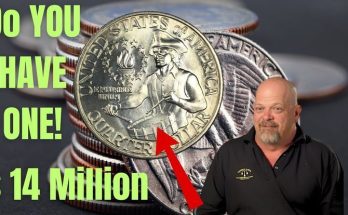
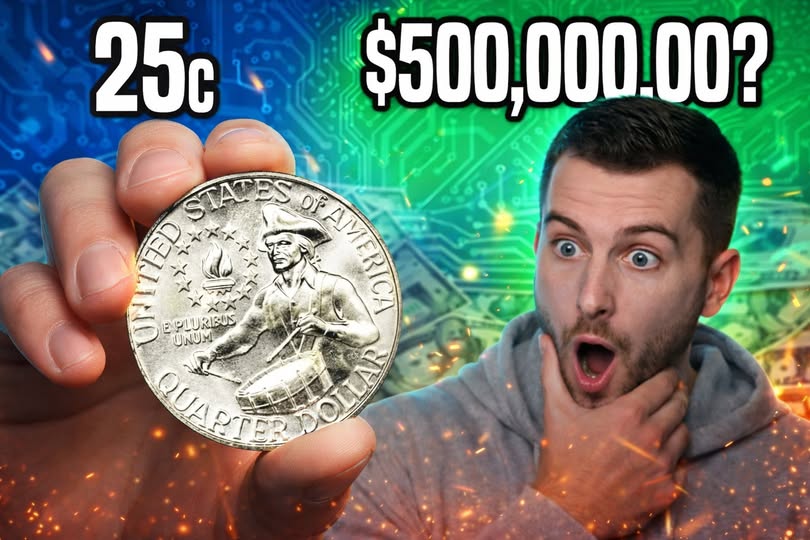
In the mid-1970s, the United States Mint chose a bold approach to honor the bicentennial by redesigning circulating coinage. The quarter released during this period carried the distinctive dual date 1776–1976, immediately setting it apart from standard issues. Its reverse featured a colonial drummer, a symbol meant to reflect unity, sacrifice, and the spirit of independence that shaped the nation. This design made the coin memorable not only for collectors, but for millions of Americans who used it in daily life.
What Makes Certain Bicentennial Quarters Extremely Valuable
Although the Mint produced Bicentennial Quarters in massive numbers, true value is found only in specific examples. Coins struck for collectors were made with greater precision and often preserved in near-perfect condition. Rarity combined with exceptional preservation is the main reason a small group of these quarters command high prices today. Circulated coins with heavy wear rarely exceed face value, but pristine or unusual pieces can be a different story altogether.
Proof Coins and Special Mint Releases
The San Francisco Mint issued proof versions of the Bicentennial Quarter specifically for collectors. These coins are easily recognized by their mirror-like surfaces and sharply defined details. When kept in original condition and professionally graded, proof quarters can sell for impressive sums. Some collector editions were also struck in 40 percent silver, adding intrinsic metal value to their historical appeal.
Minting Errors That Can Multiply Value
Production mistakes have played a major role in turning ordinary Bicentennial Quarters into collector treasures. Errors such as doubled lettering, misaligned strikes, or visible die cracks resulted in coins that are truly one of a kind. Because these flaws were accidental, no two error coins are exactly alike, making them especially desirable in the numismatic market.
How to Spot a Potentially Valuable Bicentennial Quarter
Finding a valuable Bicentennial Quarter requires careful inspection. The mint mark is a crucial detail, as an S mint mark often points to a proof issue. Proof coins also display highly reflective surfaces unlike regular circulation strikes. Weight can be another clue, since silver versions are slightly heavier than standard clad coins. For definitive identification and accurate valuation, professional grading by recognized services is strongly recommended.
Why Collectors Still Chase This Coin
The lasting appeal of the Bicentennial Quarter comes from its combination of history, accessibility, and surprise. It represents a shared national milestone while still appearing in everyday change. The possibility that a simple quarter could be a rare proof, a silver issue, or an error coin keeps collectors and casual searchers engaged even in 2026.
Final Verdict
The 1976 Bicentennial Quarter is more than spare change; it is a circulating reminder of American history. While the majority are common and worth only their face value, a small number stand out due to rarity, pristine condition, silver content, or minting errors. Checking your coins carefully could reveal a meaningful and potentially valuable piece of the past.
Disclaimer
Coin values can change over time based on market demand, condition, and professional grading. Prices mentioned are estimates for 2026 and should not be considered guaranteed. Always consult certified numismatic experts or grading services before making buying or selling decisions.