Could a simple penny in your pocket be worth more than a luxury mansion? It sounds impossible—but history says otherwise.
During World War II, a rare mistake at the U.S. Mint created one of the most valuable coins ever produced: the 1943 Copper Penny, now worth up to $1.7 million  . Even more exciting? Experts believe a few of these coins may still be undiscovered.
Let’s break it down step by step, so anyone—even beginners—can understand what to look for and what to do next.
 Step 1: Why the 1943 Penny Is So Special
In 1943, the United States was deeply involved in WWII. Copper was urgently needed for ammunition and military equipment.
 To conserve copper, the U.S. Mint switched penny production from copper to zinc-coated steel.
However, a small number of copper blanks from 1942 were accidentally left in the machines. Those mistakes produced the legendary 1943 Copper Pennies—coins that were never supposed to exist.
 Estimated survivors: Only 12–40 coins worldwide
 Step 2: Don’t Get Tricked by Common Look-Alikes
Most 1943 pennies you’ll find are steel cents, not copper.
Quick Visual Check 
- Steel Penny: Silver-gray color
- Copper Penny: Reddish-brown or bronze tone
If it looks silver, it’s common.
If it looks copper… keep reading 
 Step 3: Perform the Simple Magnet Test (At Home)
This is the easiest test anyone can do.
How to Test:
- Grab a magnet
- Touch it to the penny
 If it sticks: Steel penny (not rare)
If it does NOT stick: Could be copper and extremely valuable
Important: Never clean or polish the coin. Cleaning can destroy its value.
 Step 4: Check the Coin’s Design Details
 Front (Obverse)
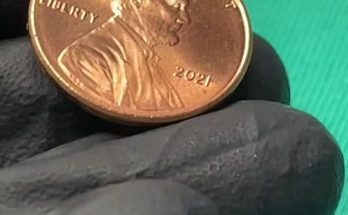
- Abraham Lincoln facing right
- “IN GOD WE TRUST” across the top
- “LIBERTY” on the left
- Date clearly reads 1943
Back (Reverse)
- Wheat ears on both sides
- “ONE CENT” and “UNITED STATES OF AMERICA”
Be cautious: Some fake coins are altered from 1948 pennies. Experts closely inspect the shape of the “3”.
 Step 5: The 5-Point Authentication Checklist
Before celebrating, your coin must pass all five checks:
- Magnet Test – Must NOT stick
 Color Check – Natural copper tone
 Date Inspection – No altered numbers
 Metal Analysis – Verified copper composition
 Professional Grading – Certified by PCGS or NGC
Only officially graded coins reach million-dollar auction prices.
 Why Collectors Pay Up to $1.7 Million
The value of the 1943 Copper Penny comes from a perfect storm of rarity and history:
Accidental wartime minting error
Fewer than 40 known examples
Deep WWII historical significance
Legendary “treasure hunt” status
Proven auction sales reaching $1.7 million
This is not just a coin—it’s American history in your hand.
 What To Do If You Think You Found One
If your penny passes the tests:
 Do not clean it
 Take clear photos (front, back, close-ups)
 Record a magnet test video
 Submit it to PCGS or NGC
 Contact reputable coin dealers or auction houses
 Expert Insight
“The 1943 Copper Penny represents one of the greatest accidental treasures in U.S. numismatics—a wartime mistake that became a national legend.”
— Dr. Eleanor Vance, Chief Numismatist, RareCoin Guild
 Final Thoughts
Next time you come across a 1943 penny, remember:
- Silver color? Steel—common
- Copper color? Test it carefully
You could be holding a $1.7 million wartime mistake hiding in plain sight