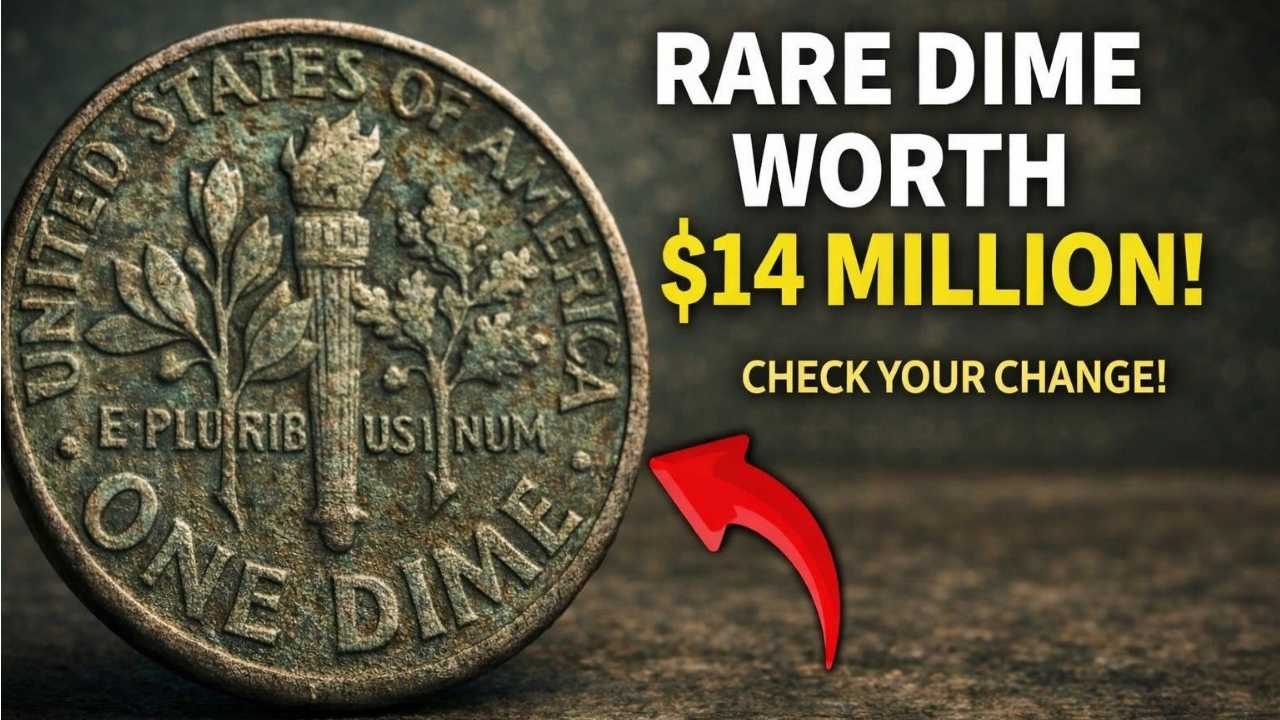
Roosevelt Dime Collecting 2026: Roosevelt dime collecting has steadily grown from a casual hobby into a serious numismatic pursuit. Introduced in 1946 to honor President Franklin D. Roosevelt, this small ten-cent coin carries big historical, artistic, and financial value. As we step into 2026, collectors are paying closer attention to rare varieties, changing market trends, and long-term investment potential. Whether you are a beginner filling albums or an experienced collector hunting key dates, understanding the modern Roosevelt dime landscape can help you collect smarter and with more confidence.
History and Significance of the Roosevelt Dime
The Roosevelt dime was designed by John R. Sinnock and released shortly after Roosevelt’s death. It replaced the Mercury dime and quickly became a symbol of post-war America. Roosevelt’s strong association with the March of Dimes polio campaign made him a natural choice for the coin.
Over the decades, the dime has seen changes in composition, minting technology, and production volume. From 1946 to 1964, dimes were struck in 90 percent silver. After rising silver prices, the U.S. Mint shifted to a copper-nickel clad composition in 1965. These changes have created clear divisions in collectability, with silver-era coins remaining especially popular.
Rare and Valuable Roosevelt Dimes to Watch in 2026
While many Roosevelt dimes are common and inexpensive, some dates and varieties stand out sharply. In 2026, collectors are focusing heavily on condition rarity and mint errors.
The 1949-S and 1955 dimes are well-known semi-key dates, especially in higher grades. The 1950-S is another date that becomes scarce once you move into mint state condition. Proof coins from the early years, particularly 1950 to 1954 proofs, are also highly sought after due to low mintages.
Error coins continue to drive excitement. Off-center strikes, doubled dies, and missing clad layers on post-1965 dimes are drawing strong premiums. The 1982 dime without a mintmark remains one of the most famous modern errors and still commands strong prices in 2026.
High-grade modern dimes should not be ignored either. Coins graded MS68 or higher by major grading services can be surprisingly rare and valuable, especially from the 1990s and early 2000s.
Current Market Trends in Roosevelt Dime Collecting
The Roosevelt dime market in 2026 reflects broader numismatic trends. Collectors are becoming more selective, prioritizing quality over quantity. This has increased demand for certified coins and reduced interest in low-grade bulk material unless silver prices spike.
Online auctions and digital marketplaces continue to shape prices. Coins with strong eye appeal, even if not technically perfect, often outperform dull examples with similar grades. Social media and collector forums are also influencing demand by spotlighting overlooked dates and varieties.
Silver Roosevelt dimes remain closely tied to bullion prices, but numismatic premiums are growing for better dates and higher grades. Clad dimes, once dismissed as pocket change, are gaining respect as collectors realize how difficult it is to find pristine examples decades after release.
Grading, Condition, and Their Impact on Value
Condition is everything when it comes to Roosevelt dimes. A small jump in grade can mean a large jump in value. This is especially true for coins from the 1940s and 1950s, where mint state examples become increasingly rare at higher levels.
Collectors in 2026 are relying heavily on third-party grading services such as PCGS and NGC. Certified coins offer authenticity, consistent grading, and easier resale. Proof coins are also being evaluated more carefully, with attention paid to cameo and deep cameo contrast.
For raw coins, collectors should examine strike quality, luster, surface marks, and overall eye appeal. Even a common date can become desirable if it displays exceptional characteristics.
Tips for Building a Strong Roosevelt Dime Collection
A successful collection starts with a clear goal. Some collectors aim for complete date and mintmark sets, while others focus on silver issues, proofs, or errors. Defining your approach helps avoid unnecessary spending.
Education is key. Study price guides, auction results, and grading standards regularly. The more you learn, the better you can spot undervalued coins. Networking with other collectors, both online and at coin shows, can also provide valuable insights.
Proper storage is essential. Use high-quality holders, albums, or slabs to protect coins from damage. Environmental factors such as humidity and temperature can significantly affect long-term condition.
Investment Potential and Long-Term Outlook
In 2026, Roosevelt dimes offer a balanced mix of affordability and upside potential. While they may not deliver the explosive returns seen in some rare gold coins, they provide steady growth, especially for high-grade and rare-date examples.
Silver content adds a layer of intrinsic value, while collector demand supports numismatic premiums. As more collectors enter the hobby and supply of top-condition coins continues to shrink, values are likely to remain stable or gradually rise.
Patience is crucial. Roosevelt dime collecting rewards those who take a long-term view and focus on quality acquisitions rather than quick profits.
Conclusion
Roosevelt dime collecting in 2026 is more exciting and rewarding than ever. With a rich history, accessible entry points, and genuine rarity at higher levels, these small coins offer big opportunities. By understanding rare finds, staying aware of market trends, and paying close attention to condition and authenticity, collectors can build meaningful and valuable collections. Whether driven by passion, history, or investment potential, the Roosevelt dime remains a timeless cornerstone of American numismatics.