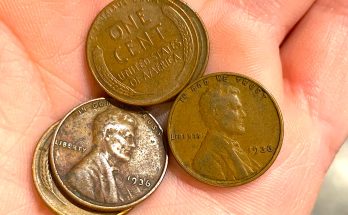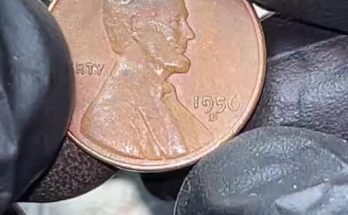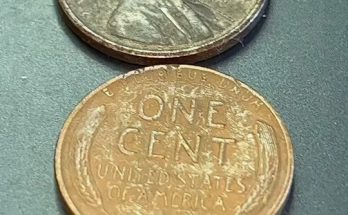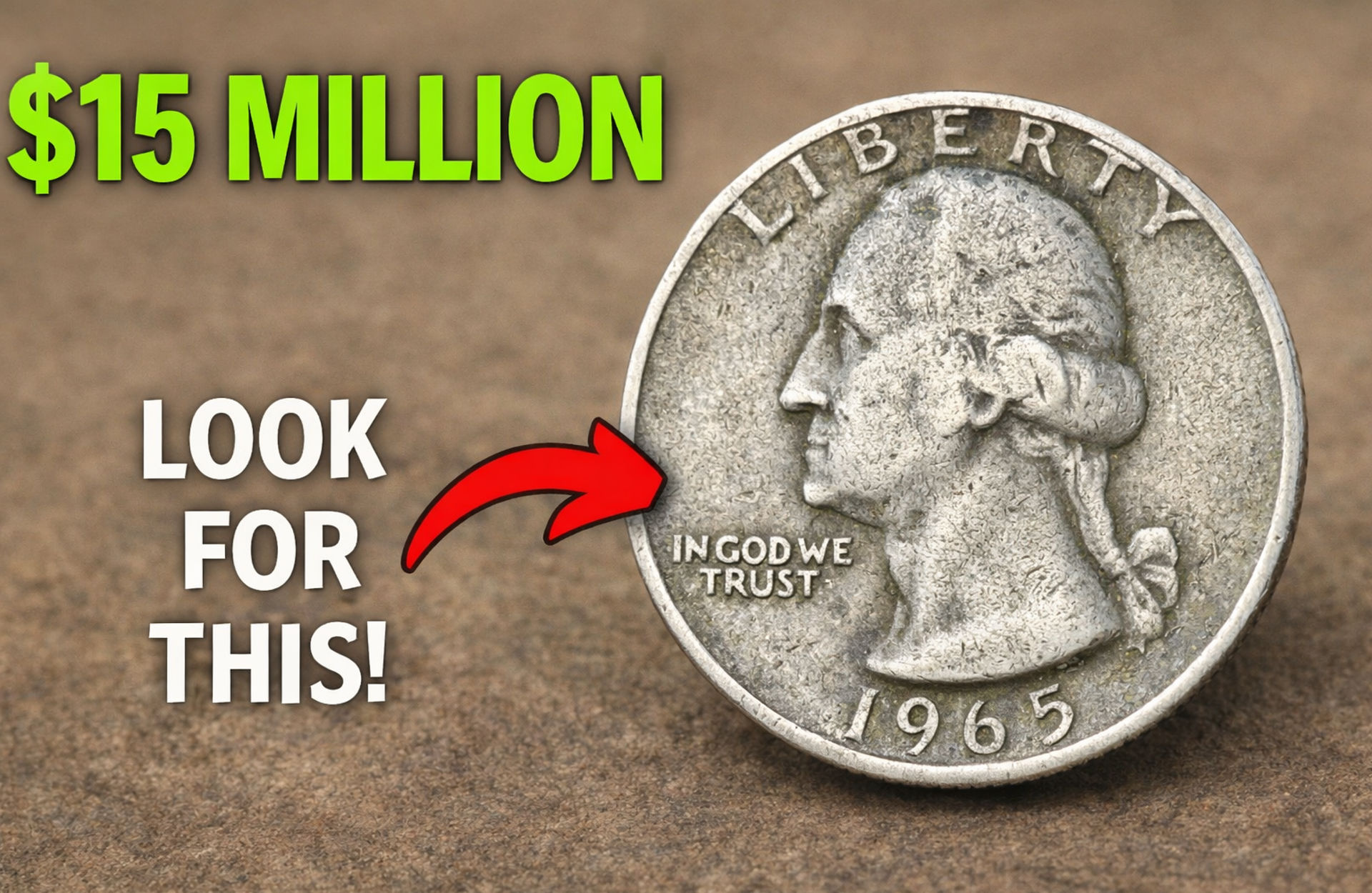
Expert Guide: Many people overlook old coins in their pockets, not realizing some of them could be worth a fortune. One of the most surprising examples is the rare Washington Quarter dollar, which in certain cases has sold for thousands and even millions of dollars.
If you’ve ever wondered whether a simple quarter could change your financial future, this comprehensive guide from numismatic experts will show you exactly what to look for, how to authenticate your coins, and where to sell them for maximum profit.
Why Are Some Washington Quarters So Valuable? Understanding Numismatic Rarity
Washington Quarters were first introduced in 1932 to commemorate the 200th anniversary of George Washington’s birth. While most quarters minted since then are common circulation coins worth only face value, specific versions command extraordinary premiums due to several key factors:
Minting Errors
Coins with striking mistakes (double dies, off-center strikes, wrong planchets) are often the most valuable because they’re rare and visually distinctive to collectors.
Limited Production Years
Certain years had exceptionally low mintage numbers, particularly during the Great Depression and World War II, making surviving examples scarce.
Special Metal Compositions
Quarters minted from 1932-1964 contain 90% silver, giving them intrinsic bullion value. Some transitional errors feature unusual metal compositions that collectors prize.
★Exceptional Condition
Uncirculated or proof coins with original mint luster, sharp details, and no wear can be worth hundreds or thousands of times face value.
Professional Insight: The most valuable coins typically combine multiple rarity factors-like a low-mintage year coin with a striking error in uncirculated condition. Serious collectors and investors compete aggressively for these exceptional pieces at major auctions.
Rare Washington Quarters Worth Big Money: The Expert
Checklist
1. Key Date Washington Quarters (1932-1964)
The 1932-D and 1932-5 Washington Quarters are the series’ undisputed keys. With mintages of only 436,800 and 408,000 respectively, these coins were produced in such limited numbers that even well-worn examples command significant premiums:
1932-D Washington Quarter: In average circulated condition, worth $150-$300. In mint state (MS-60 or higher), values range from $1,500 to over $10,000 for gem examples.
1932-S Washington Quarter: Slightly more available than the 1932-D but still rare. Circulated examples: $100-$250. Uncirculated: $1,000-$7,500+.
1937 Double Die Obverse: A dramatic doubling of Washington’s portrait and lettering. Worth $500-$2,000+ depending on condition.
1943-S Doubled Die Obverse: Another desirable doubled die variety. Values: $300-$1,500+.
2. Error Quarters That Can Be Worth Thousands (or More)
Error coins represent some of the most exciting finds in numismatics. Because genuine mint errors are rare and each is technically unique, collectors pay substantial premiums:
Authentication is Critical: Many apparent “errors” are actually post-mint damage or alterations. Always have potential error coins authenticated by professional grading services (PCGS or NGC) before selling.
Major Washington Quarter Errors to Look For:
Double Die Errors: Doubling of design elements, most noticeable on inscriptions like “IN GOD WE TRUST” or “LIBERTY.” Some have sold for five figures at auction.
Off-Center Strikes: Coins struck misaligned, showing blank planchet areas. Value depends on the percentage off-center (greater = higher value).
Wrong Planchet Errors: Quarters struck on dime, nickel, or cent planchets. Extremely rare and valuable-some have sold for $10,000+.
Clipped Planchets: Crescent-shaped missing areas caused by incomplete blanking of coin metal. More common but still valuable in dramatic examples.
Missing or Incorrect Lettering: Legend errors like “IN COD WE TRUST” (missing G) or missing mint marks. These can command four to six figures at auction.
3. Silver Washington Quarters (1932-1964): Intrinsic Value Plus Collector Premium
All Washington Quarters minted 1932-1964 contain 0.18084 troy ounces of 90% fine silver, giving them a base bullion value (approximately 15-20 times face value at current silver prices). However, certain silver quarters carry substantial numismatic premiums:
Full Step Designations: Quarters with fully separated steps on Washington’s porch (especially 1932-1964 issues) command significant premiums over ordinary uncirculated examples.
Proof Coins: Specially struck for collectors with mirror-like fields. Pre-1956 proof Washington Quarters are particularly scarce and valuable.
Toned Coins: Naturally toned silver quarters with attractive rainbow, cobalt, or golden hues can bring substantial premiums from specialists.
Professional Coin Examination: How to Check If Your Quarter Is Valuable
Follow this systematic approach used by professional numismatists to evaluate your Washington Quarters:
Step 1: Initial Inspection
Year and Mint Mark: Locate the date and mint mark (D = Denver, S = San Francisco, no mint mark – Philadelphia). Use a magnifying glass for clarity.
Edge Examination: Check the coin’s edge. Silver quarters (1932-1964) have a solid silver color, while clad quarters (1965-present) show a copper sandwich.
Weight Verification: A genuine silver Washington Quarter weighs 6.25 grams. Clad quarters weigh 5.67 grams. Use a precision scale.
Step 2: Error Detection
Examine under 5-10x magnification in good, angled light
Compare your coin to known genuine examples (photographs in reference books)
Look for doubling, repunched mint marks, and misplaced design elements
Check for unusual surface characteristics that might indicate wrong planchet errors
Step 3: Condition Grading
Condition dramatically affects value. Learn the Sheldon Scale basics (1-70) or use these simplified
categories:
Poor to Fine (PO-01 to F-12): Heavy wear, dates and legends may be weak. Usually minimal collector value except for key dates.
Very Fine to Extremely Fine (VF-20 to EF-45): Moderate wear but major details clear. Most circulated coins fall here.
About Uncirculated (AU-50 to AU-58): Light wear on highest points only, nearly full mint luster.
Mint State (MS-60 to MS-70): No wear, may have bag marks or contact marks. MS-65 and above (“gem”) commands substantial premiums.
Expert Tip: For potentially valuable coins ($100+), consider professional grading by PCGS or NGC.
Slabbed (encapsulated) coins typically sell for 20-50% more than raw (ungraded) coins because buyers trust the authentication and condition assessment.
Where to Sell Rare Washington Quarters: Maximizing Your Return
If you believe you’ve found a valuable coin, these are the preferred marketplaces in descending order of potential return:
Major Auction Houses
Heritage Auctions, Stack’s Bowers, and similar firms achieve record prices for exceptional coins but charge 10-20% commissions and require significant minimum values.
Professional Coin Dealers
Reputable dealers (PCGS or NGC authorized) offer fair prices for quick sales. Get multiple offers for valuable coins.
Online Marketplaces
eBay, GreatCollections, and specialized coin forums reach national audiences but require seller expertise to avoid scams and properly represent coins.
Certified Coin Grading Services
PCGS and NGC offer direct sales options for coins they’ve graded, connecting sellers with their network of serious collectors.
Critical Advice: Never clean coins! Cleaning permanently damages surfaces and reduces value by 50-90%. If coins are dirty, professional conservation exists but should only be performed by NGC or PCGS.
Ready to Discover Your Coin’s True Value?
That old Washington Quarter sitting in your drawer could be worth far more than 25 cents. Rare dates, mint errors, and silver content can turn ordinary-looking coins into life-changing treasures.
About the Author: Numismatic Expertise
This guide was compiled by professional numismatists with over 40 years of combined experience in coin authentication, grading, and valuation. Information is current as of 2025 and based on actual auction records, dealer buy/sell prices, and grading service population reports.